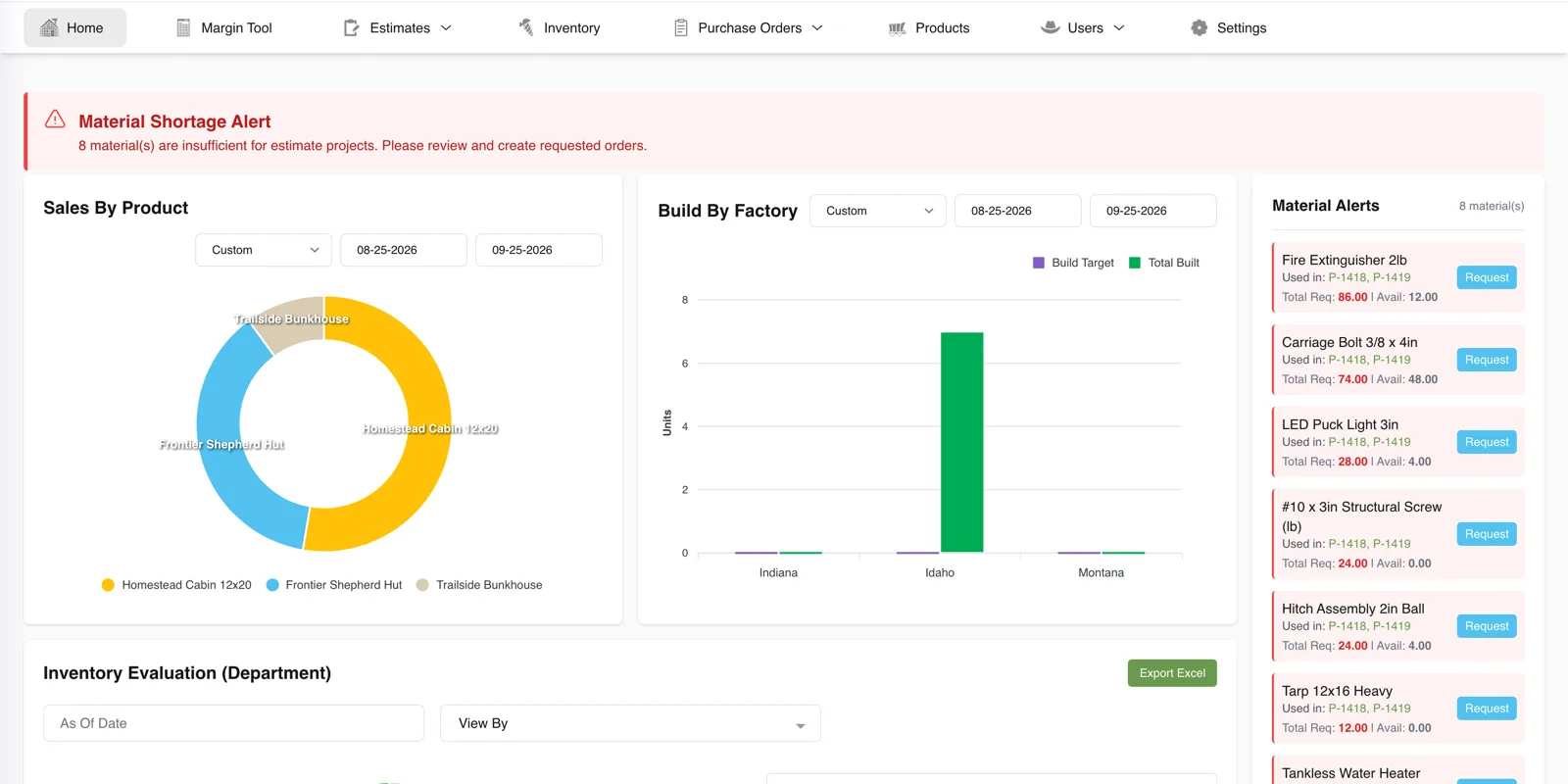
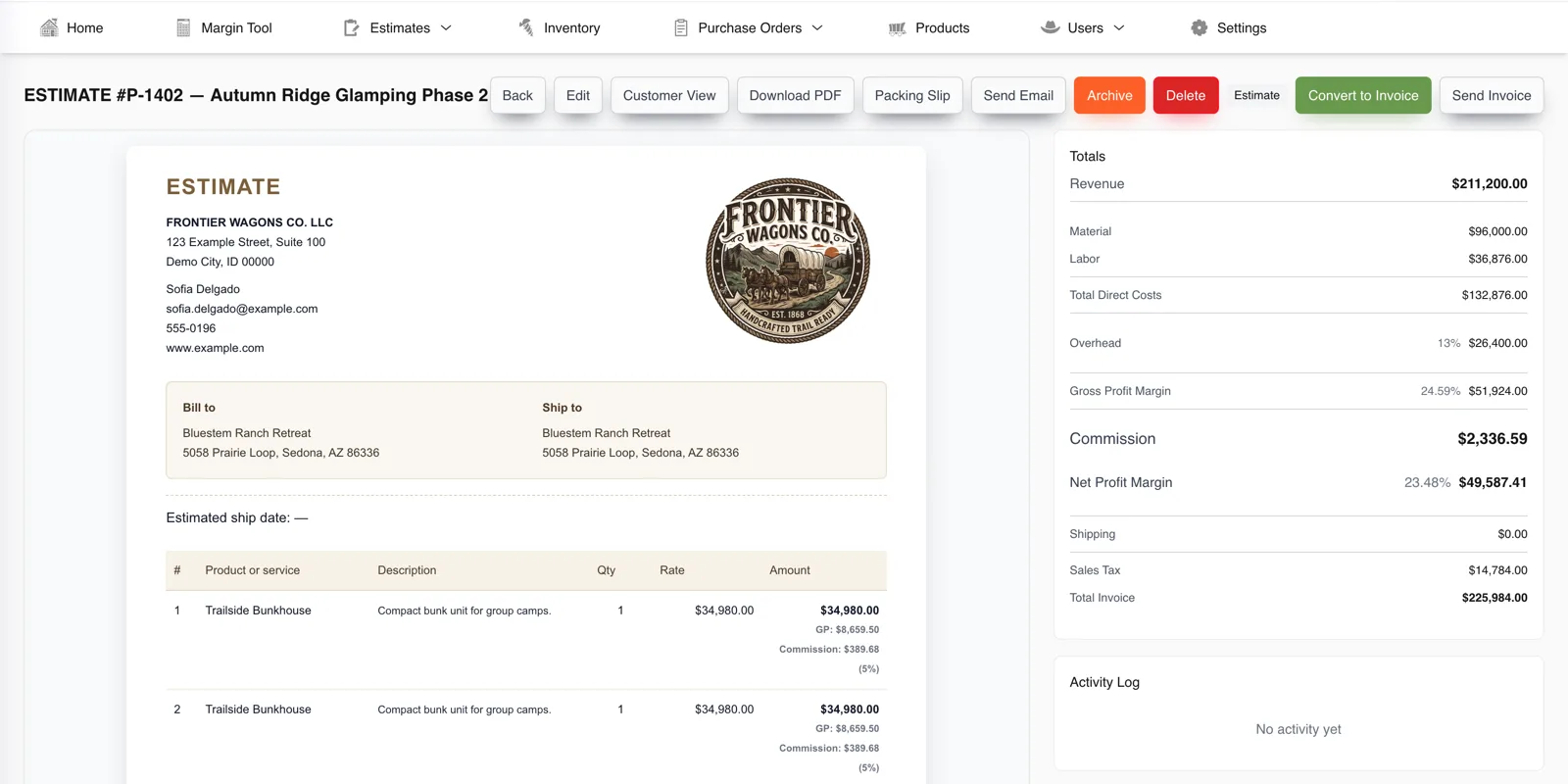
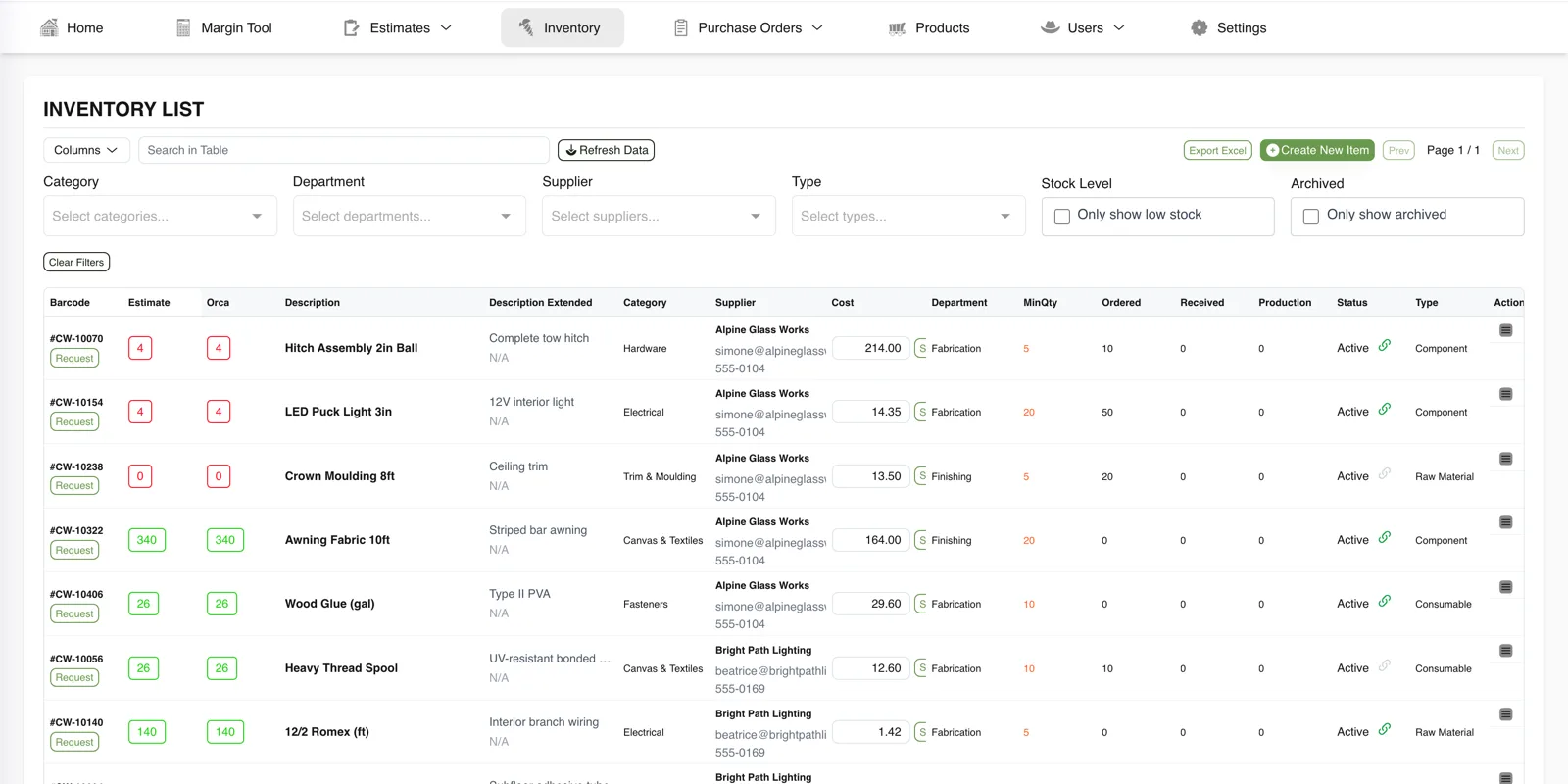
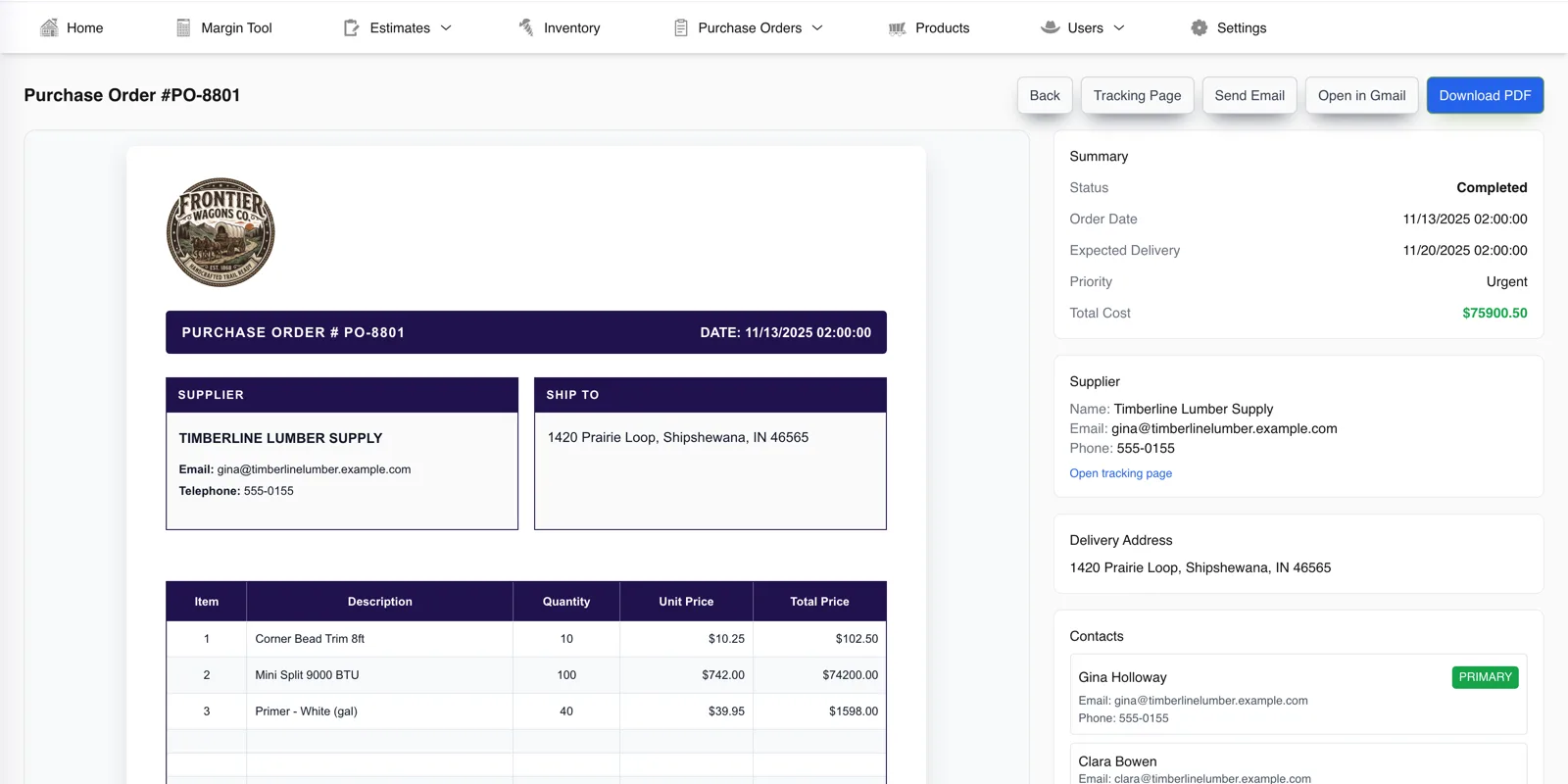
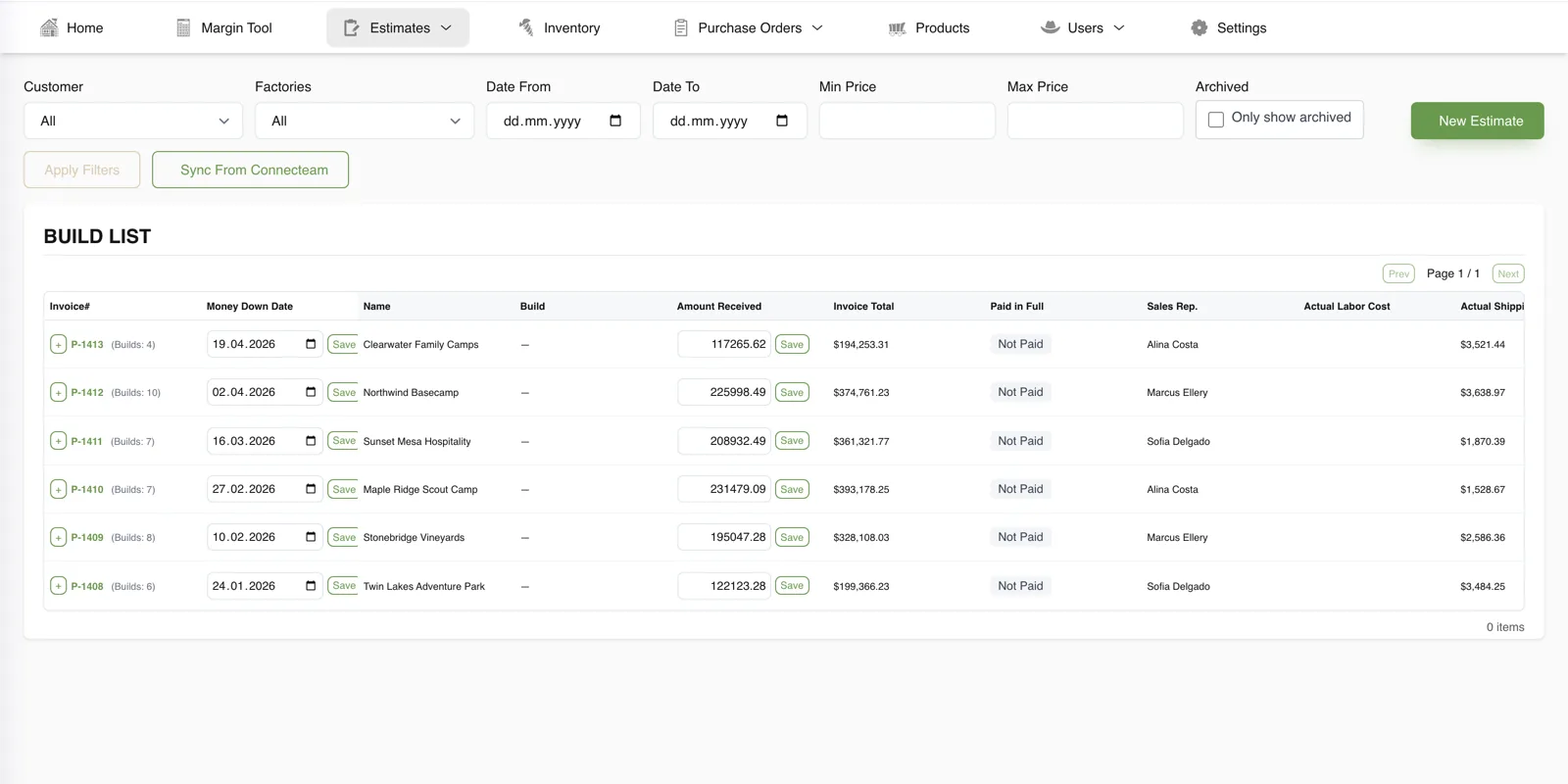
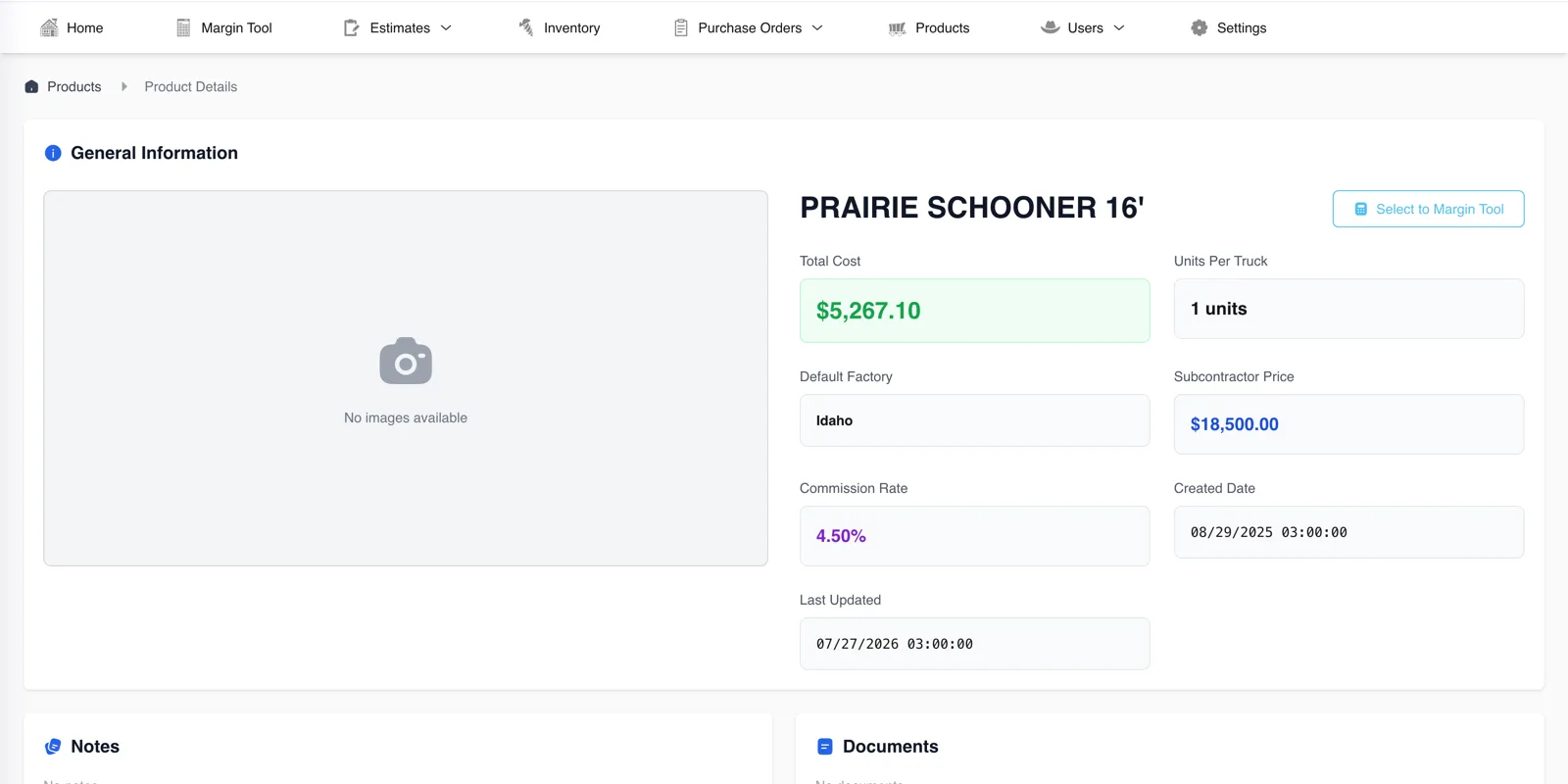
Materials are tracked from purchase order through to a finished build across three factories. Every estimate rolls material, labour, overhead and shipping into a live gross and net margin, so a quote’s real worth is visible before it goes out. When stock runs short the system raises an alert against the projects that need it, which becomes a requested order and then a purchase order.
Read the full write-up — inventory, costing and margin for custom manufacturers →
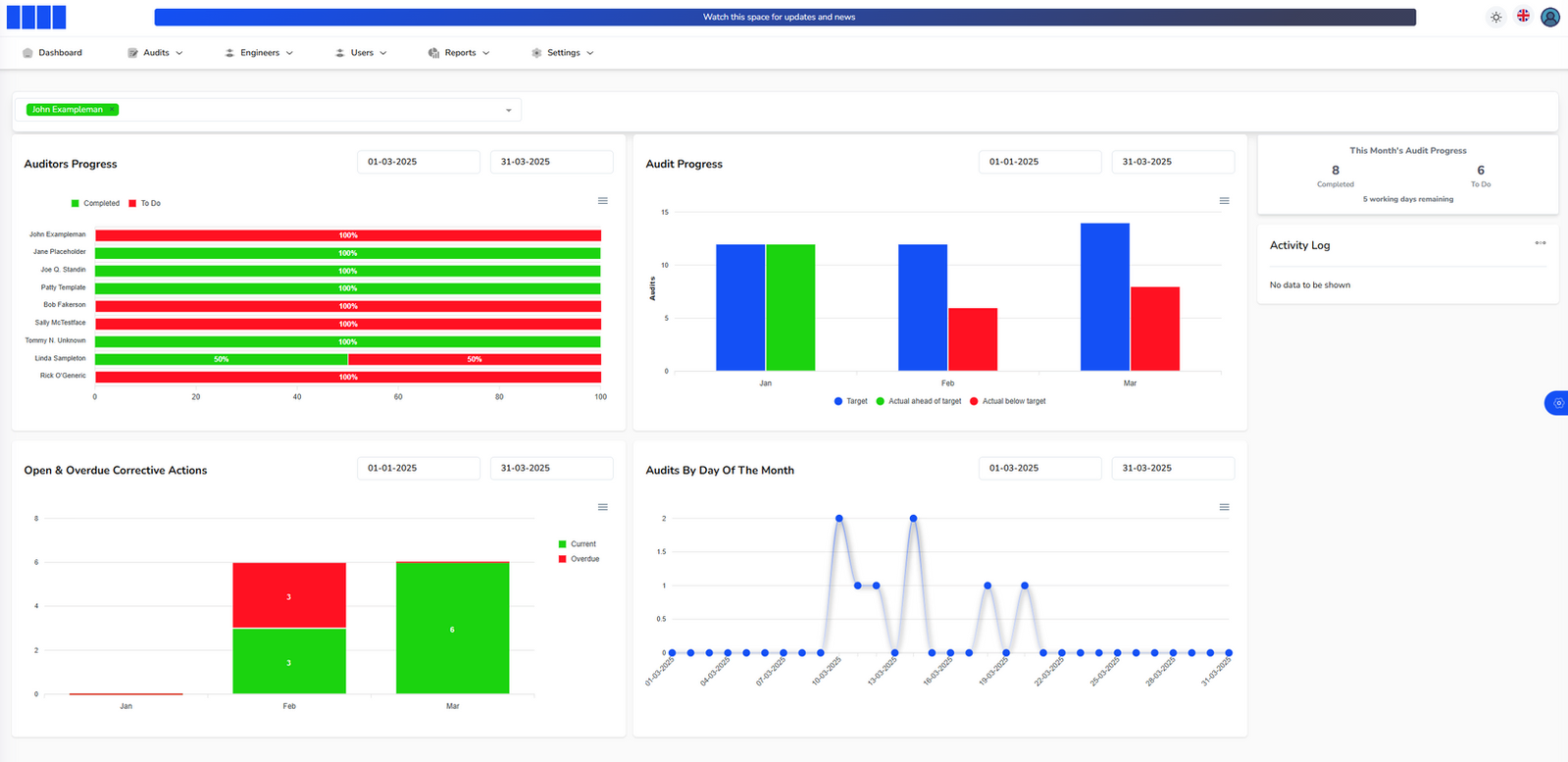
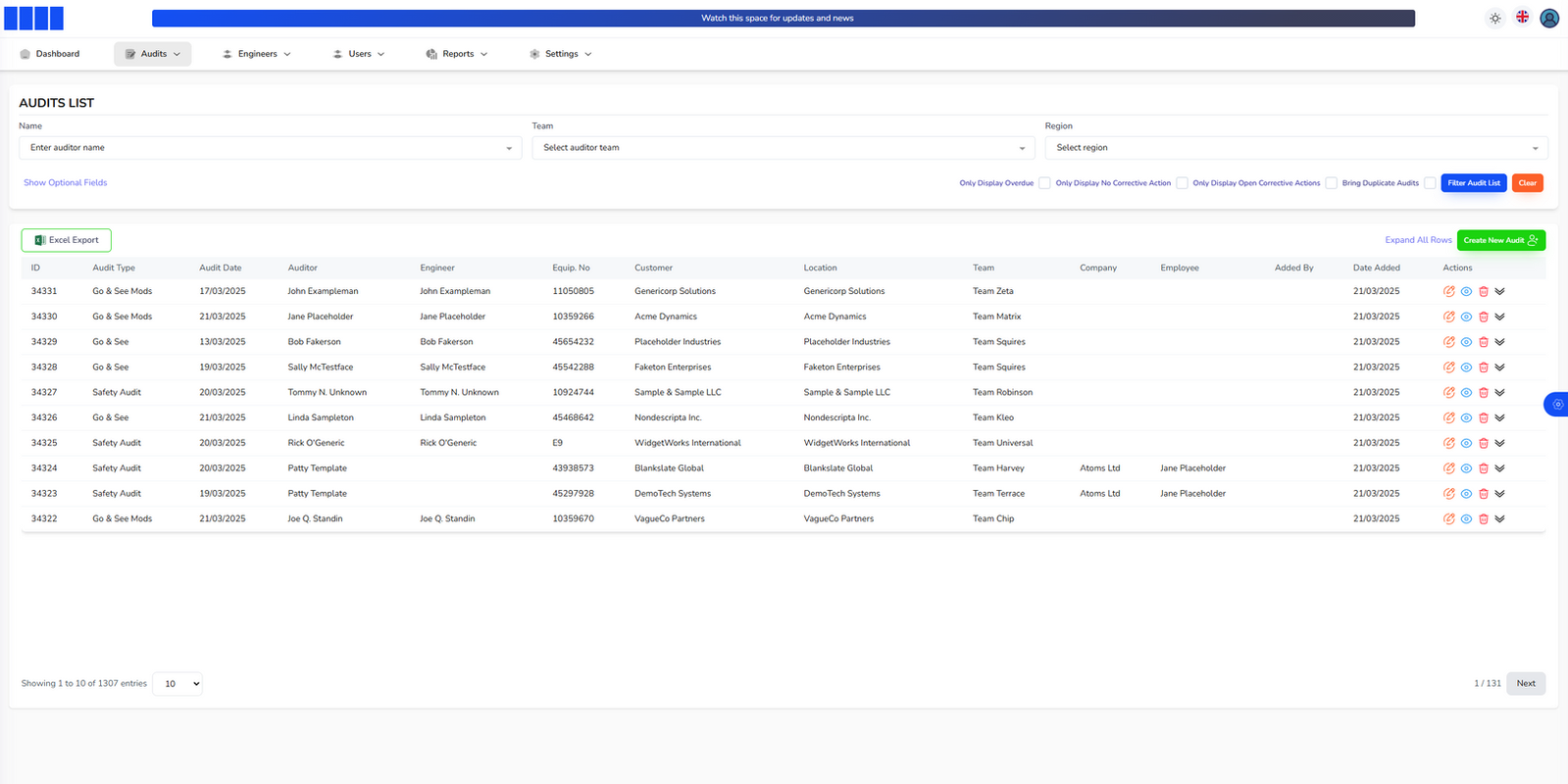
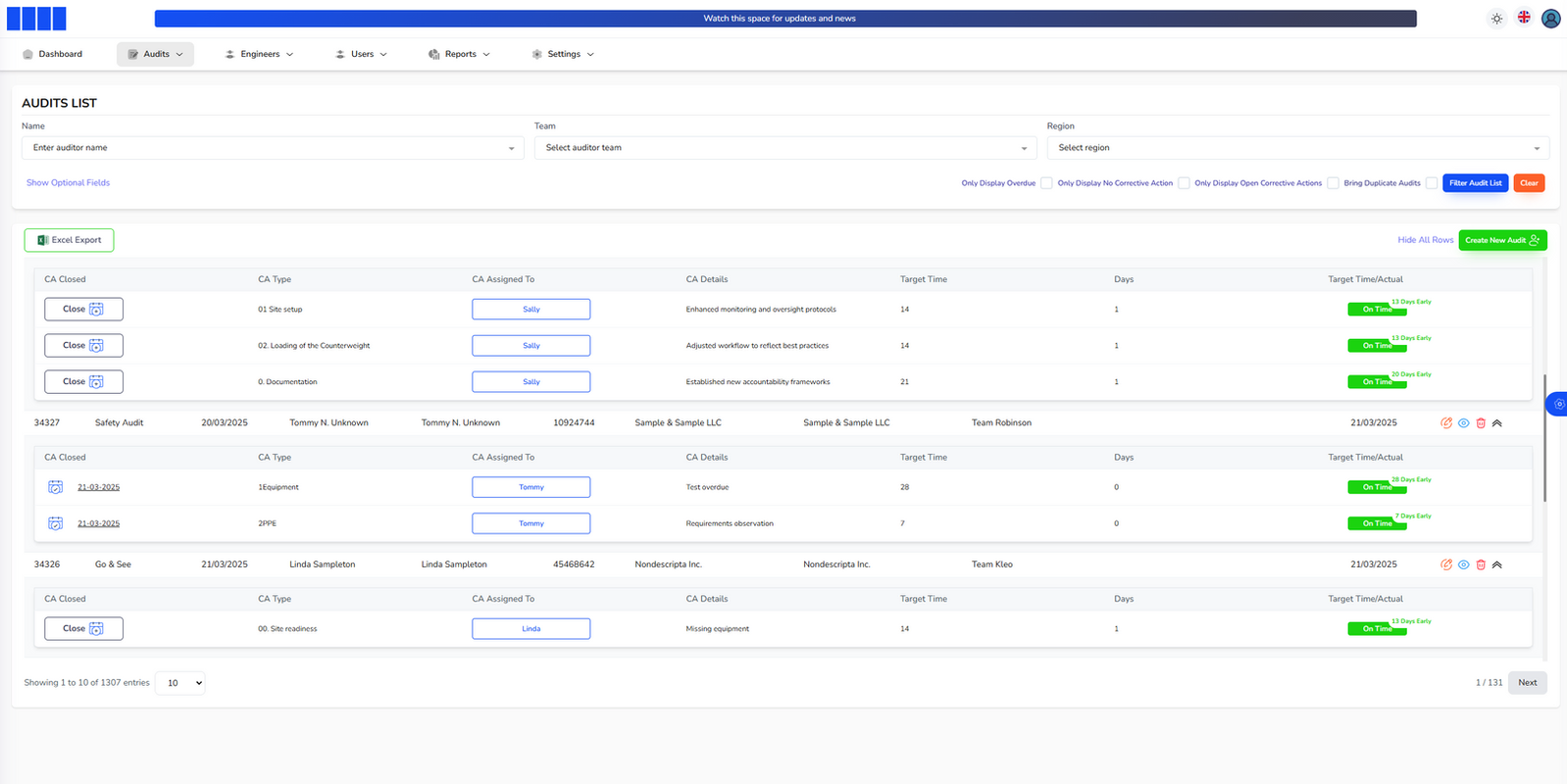
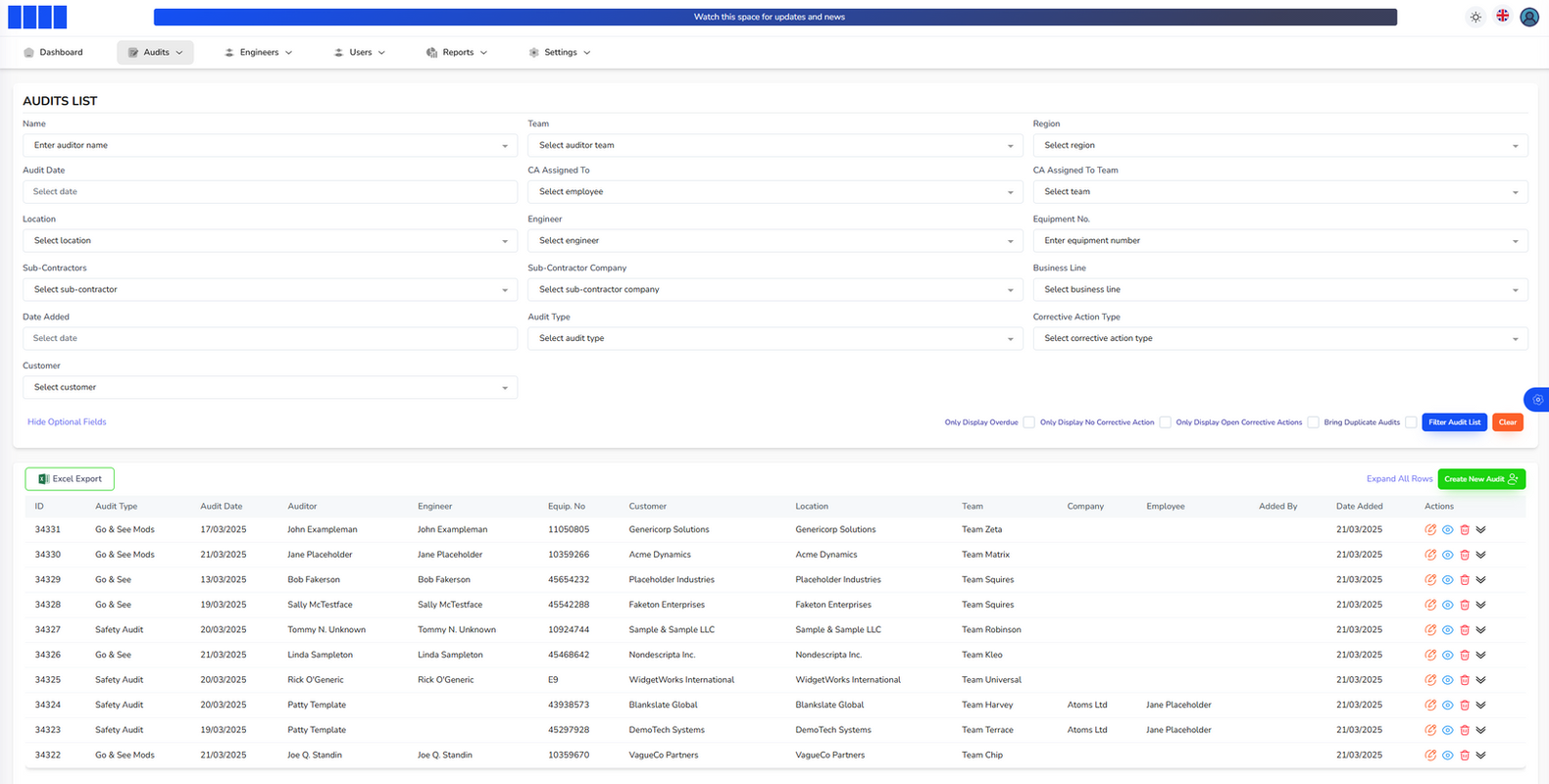
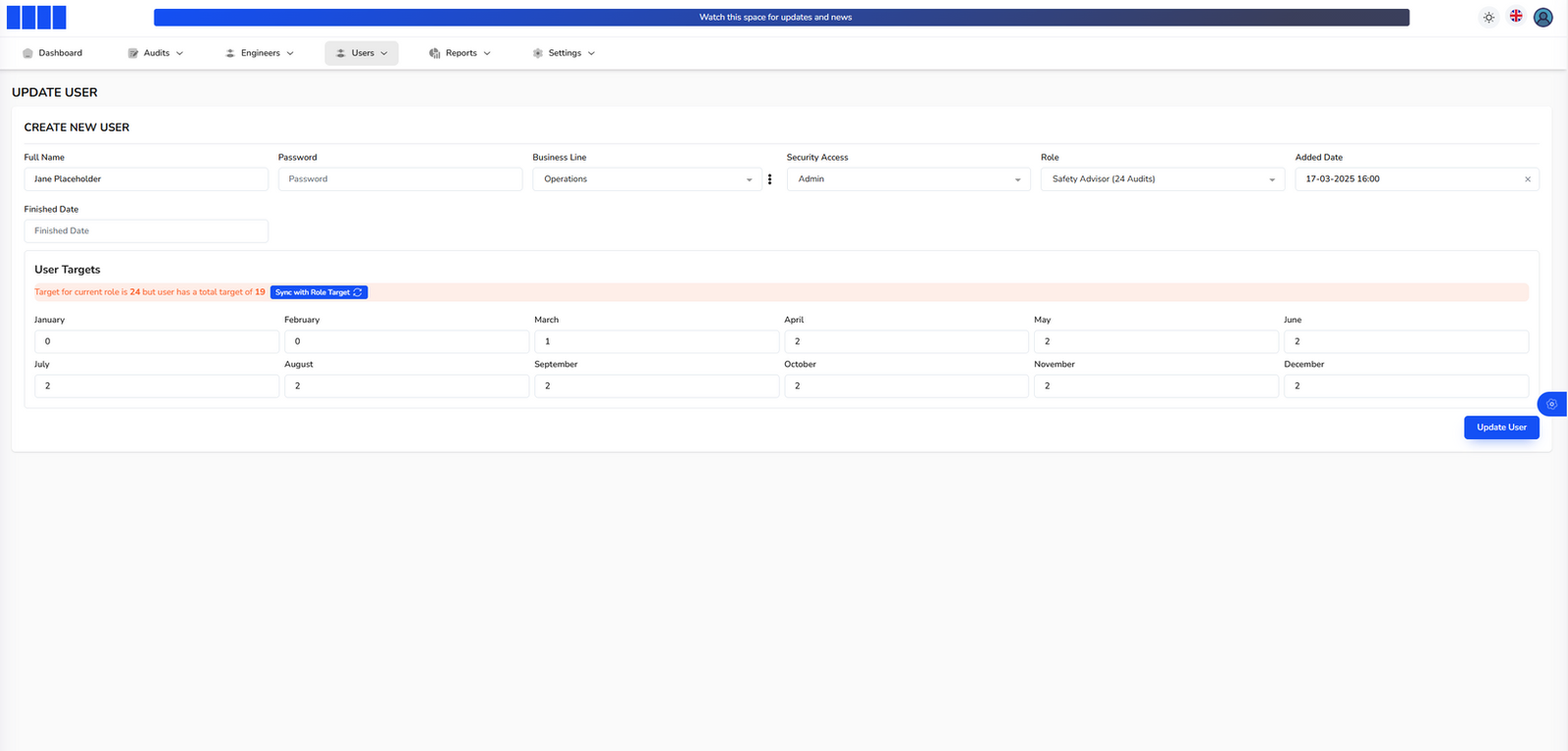
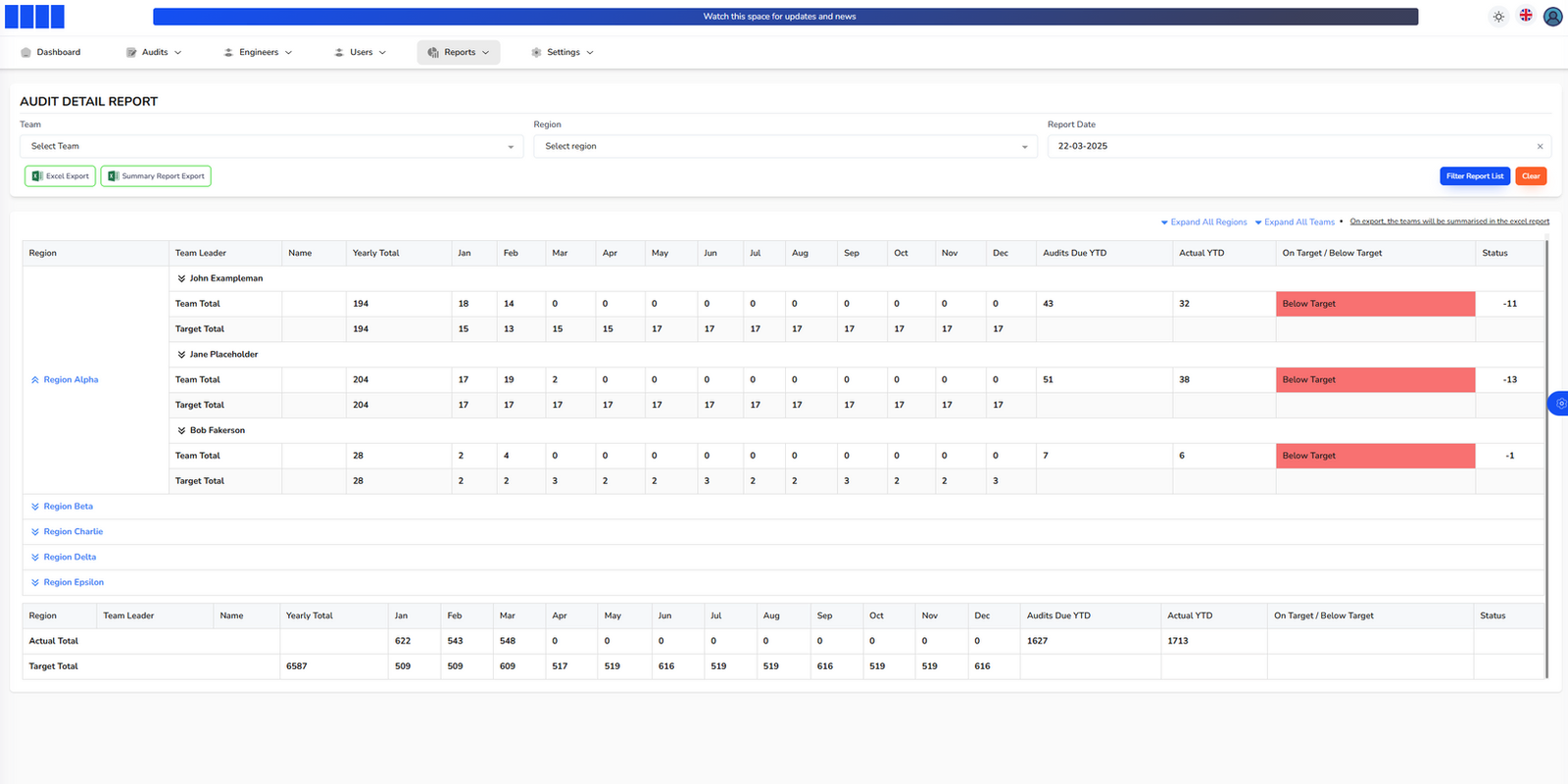
Field auditors record safety and quality inspections against equipment, customers and regions. Every finding opens a corrective action with an owner and a target date, and the dashboards track completion against monthly targets per auditor, team and region. Reports roll the year up to date so managers can see who is ahead of or behind target.
Read the full write-up — audit tracking for field inspection teams →
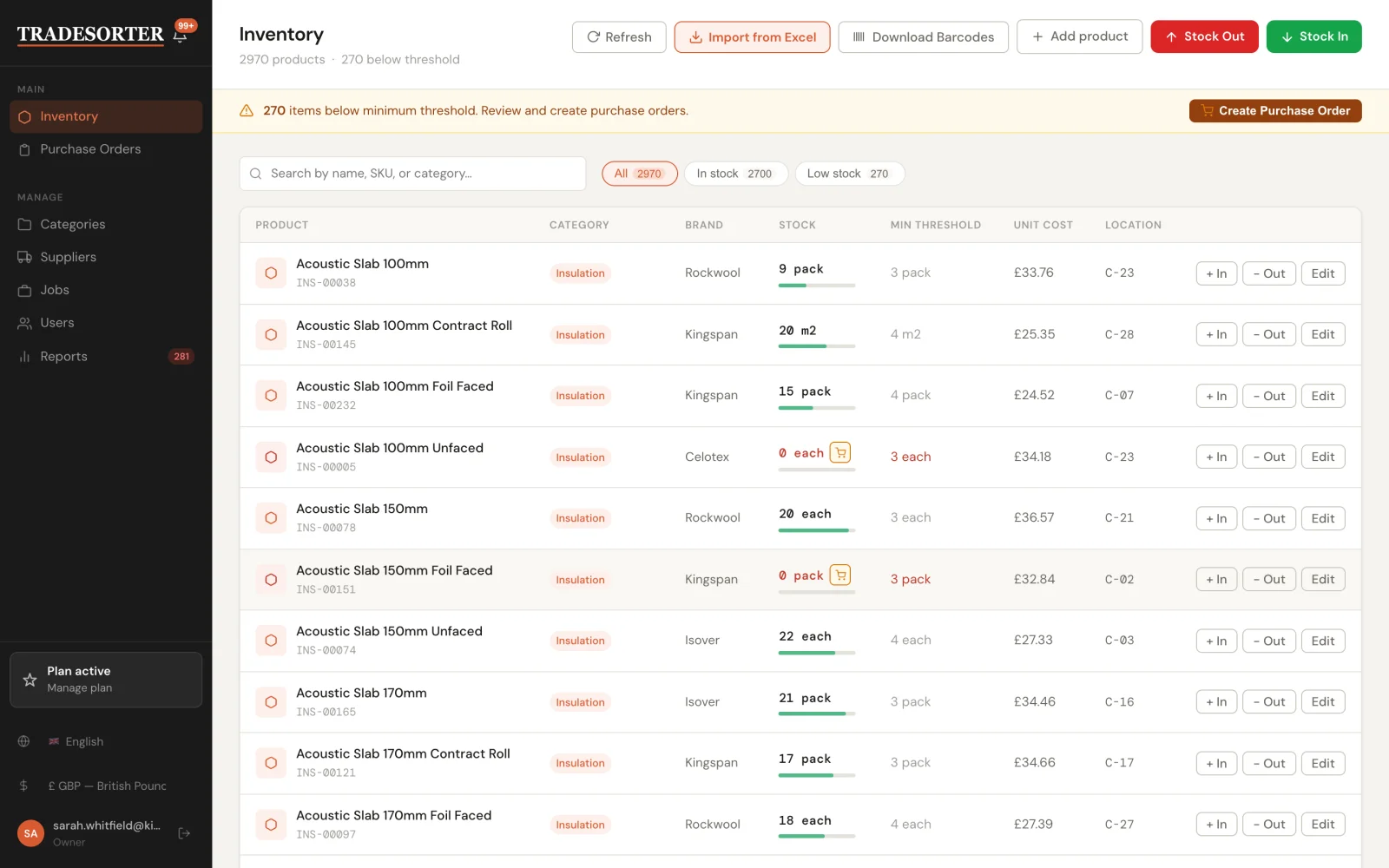
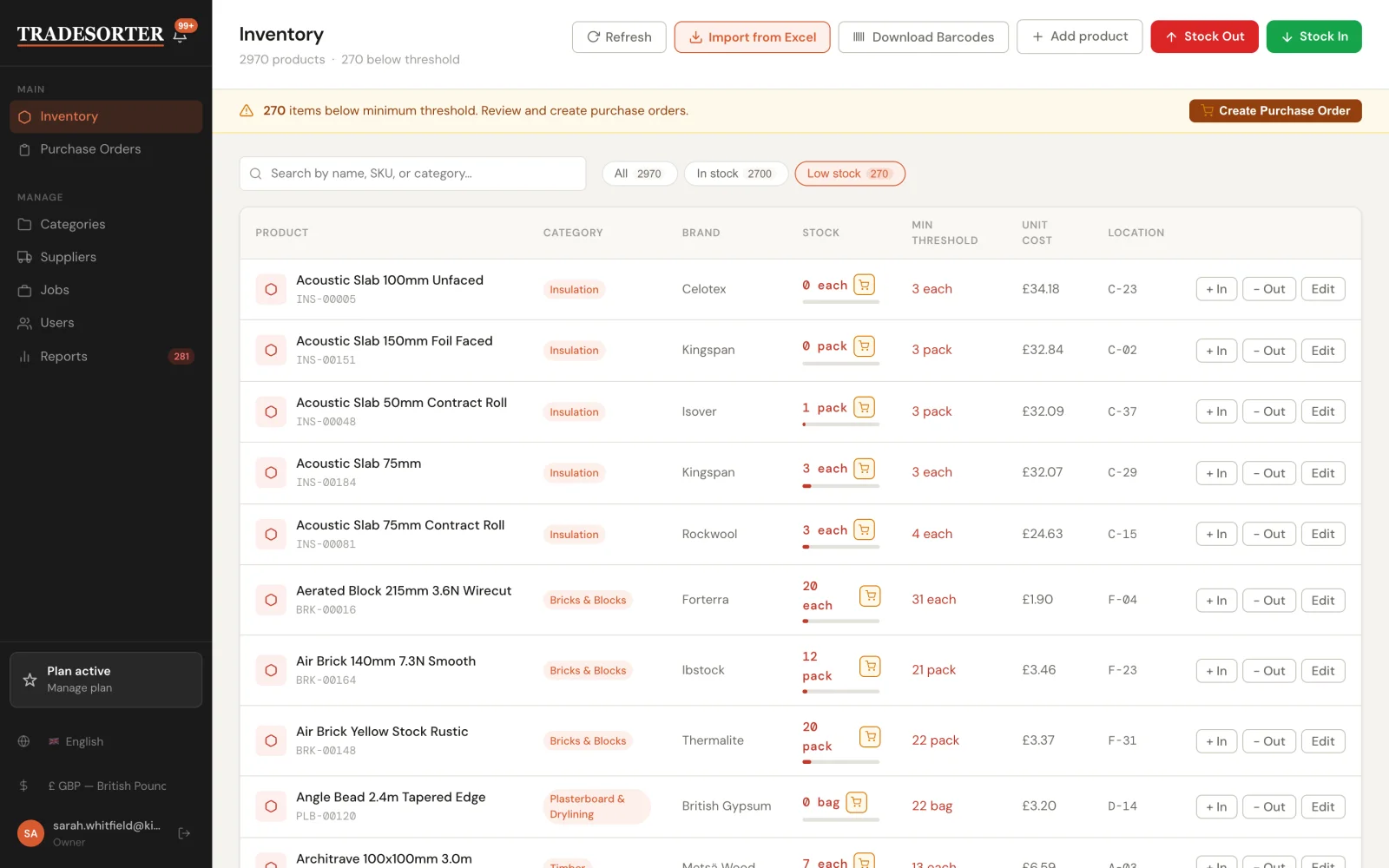
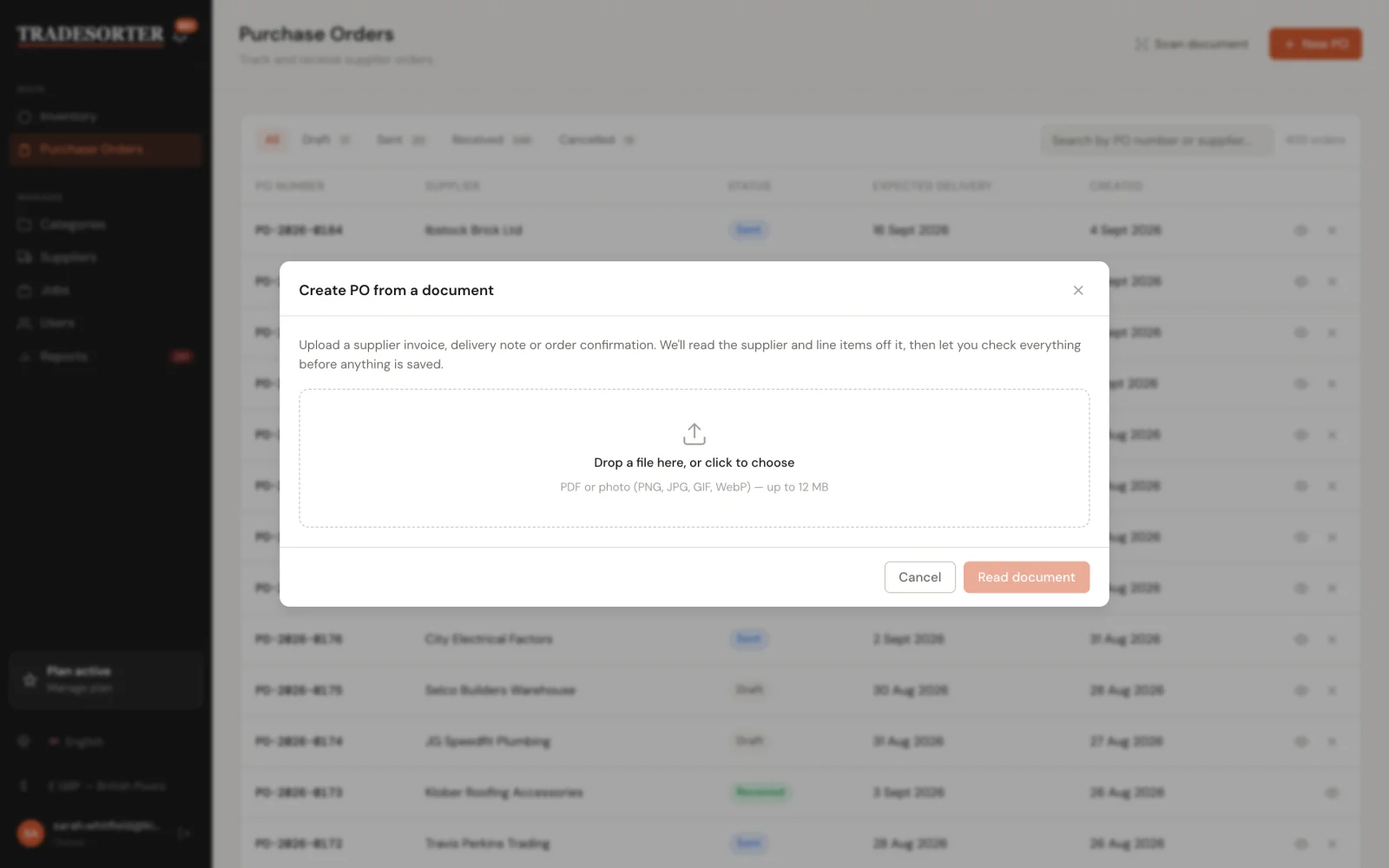
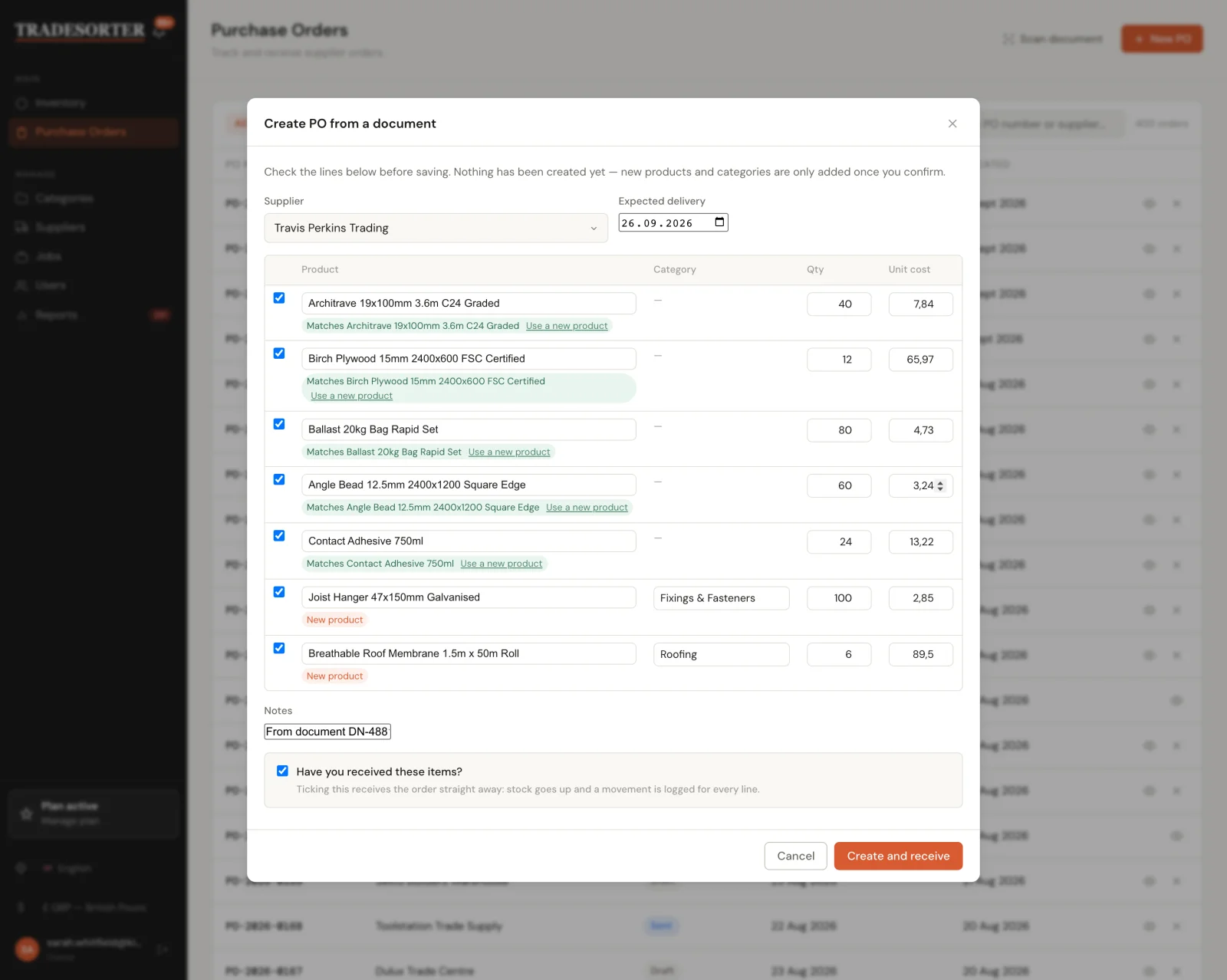
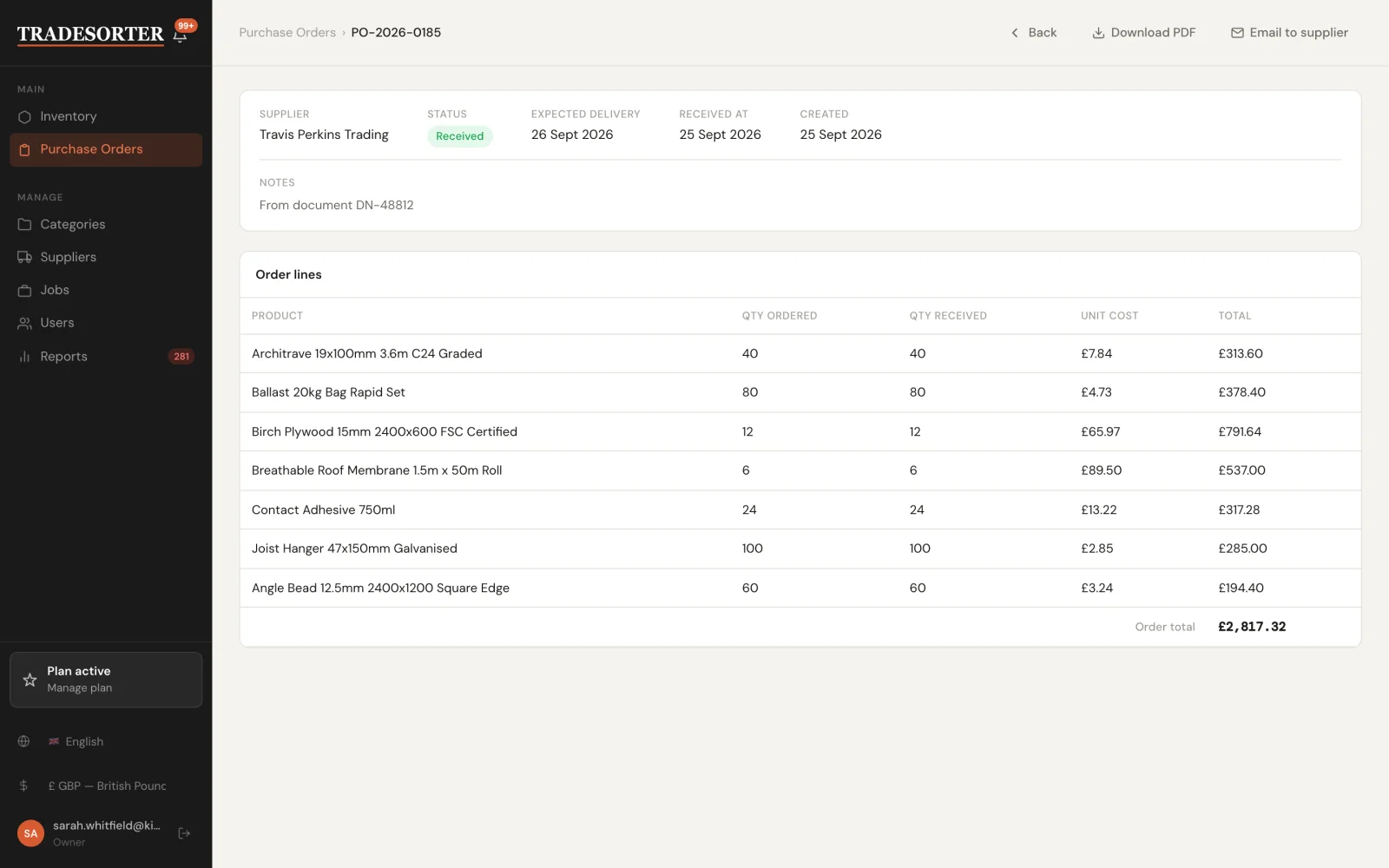
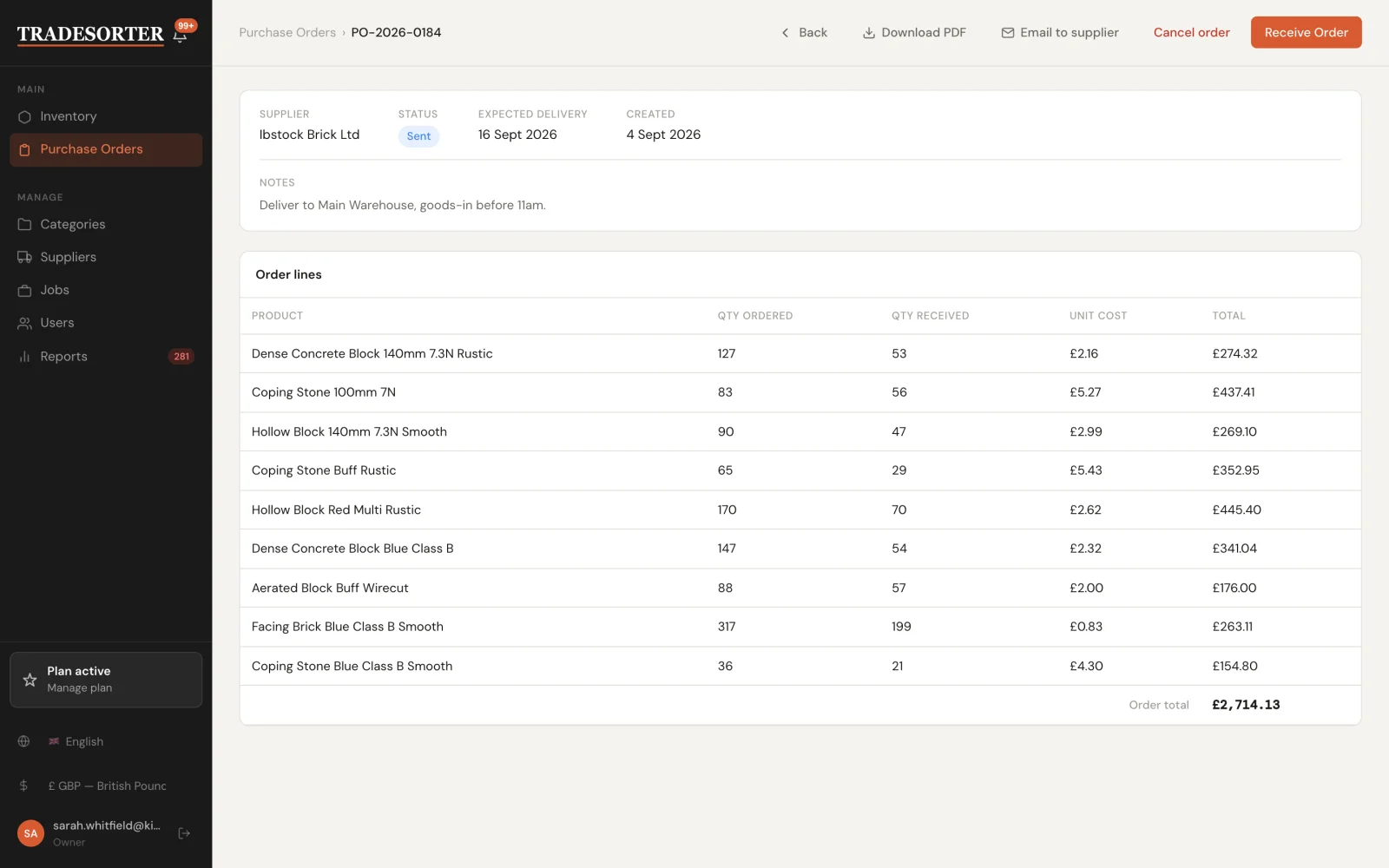
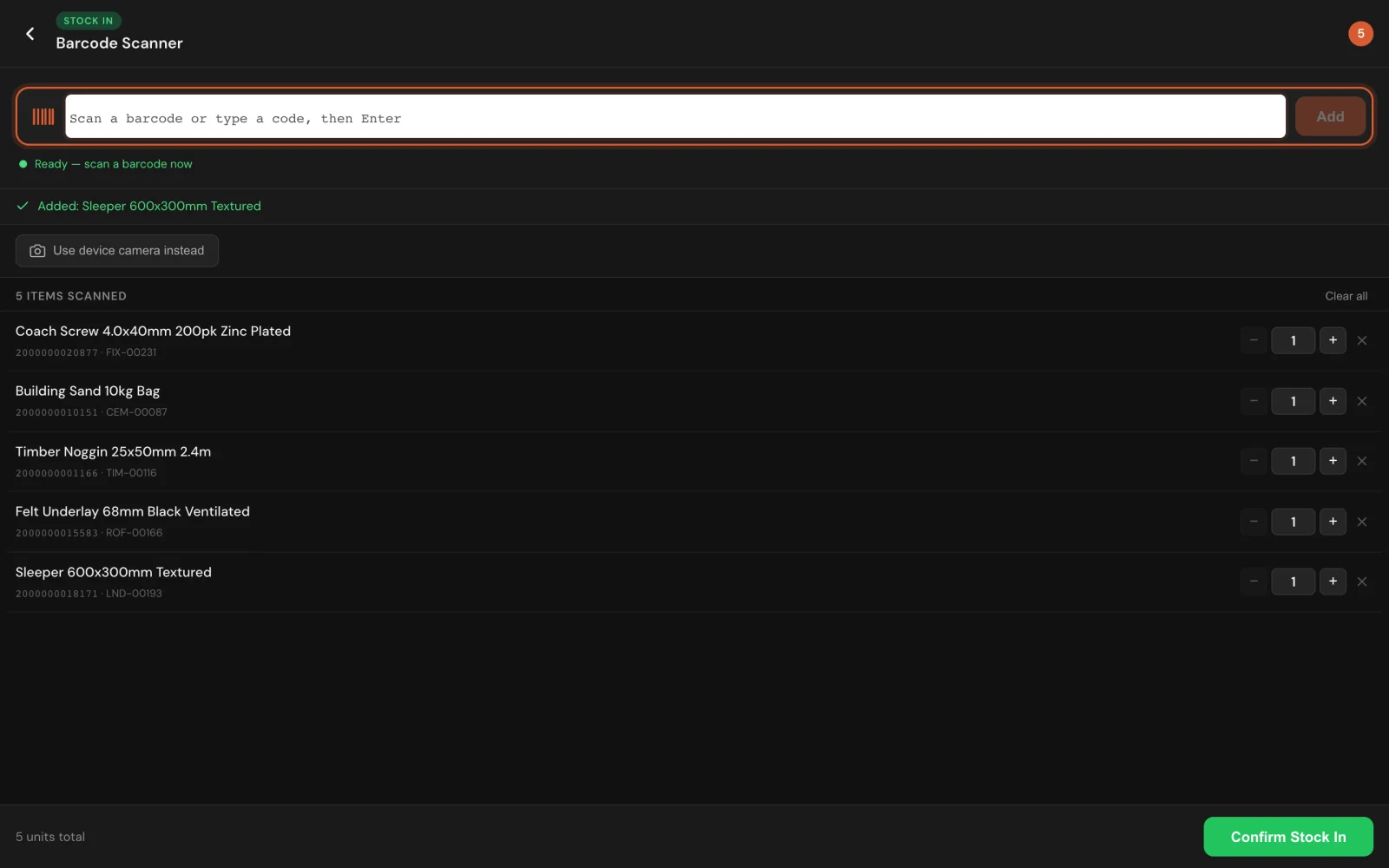
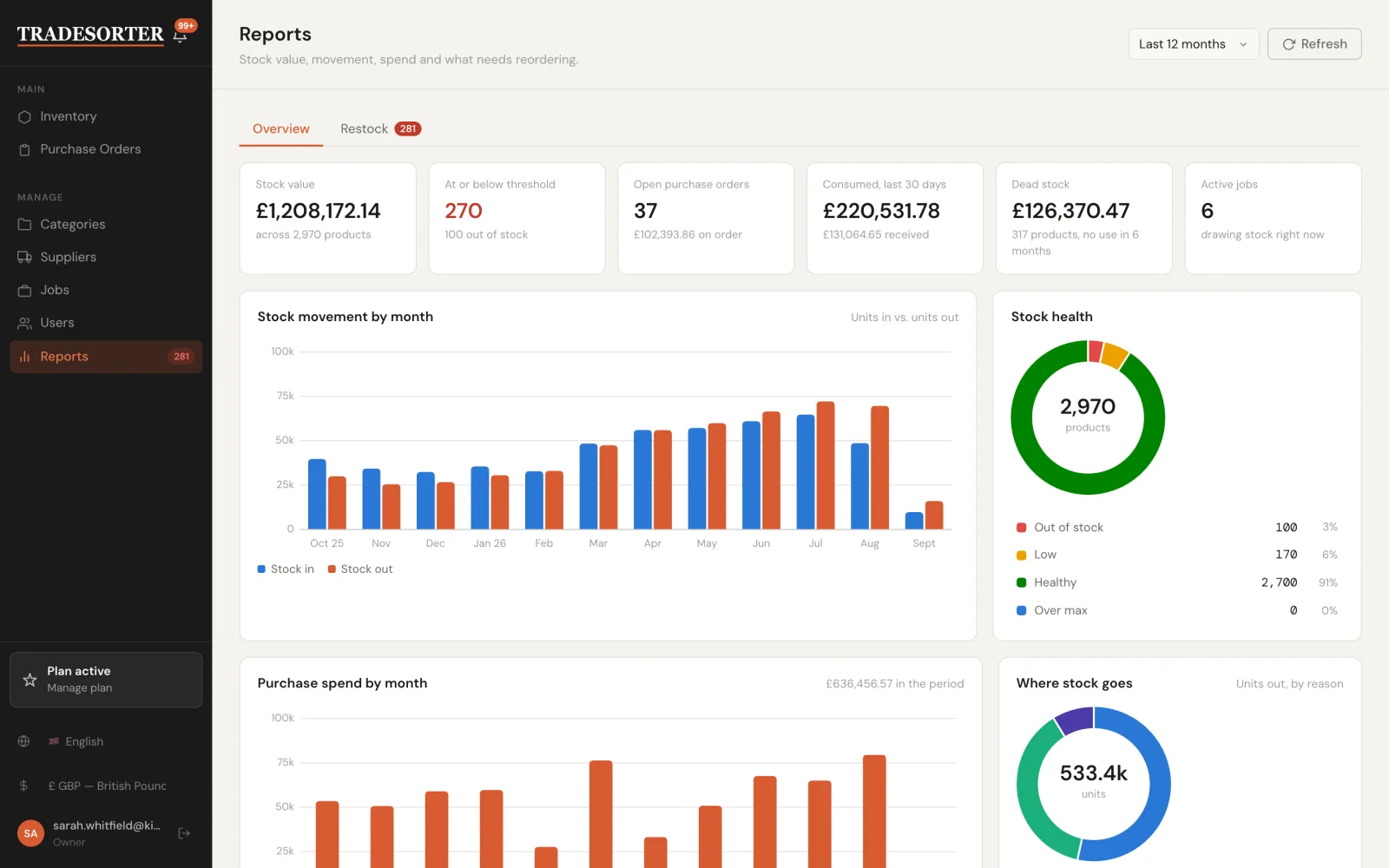
My own product — stock control for hardware stores, home improvement retailers and trade suppliers, sold as a subscription. Stock is scanned in and out with a phone camera or a keyboard-wedge scanner, and every stock-out is attributed to a sale or a job, so materials can always be traced back. A supplier’s delivery note can be dropped in as a PDF or photographed: Claude reads it, matches each line to an existing product and flags the ones that are new, and nothing is written until the order is confirmed. The reports cover stock value, movement, spend, dead stock and what needs reordering next.
Read the full write-up — stock management for hardware stores and trade suppliers →
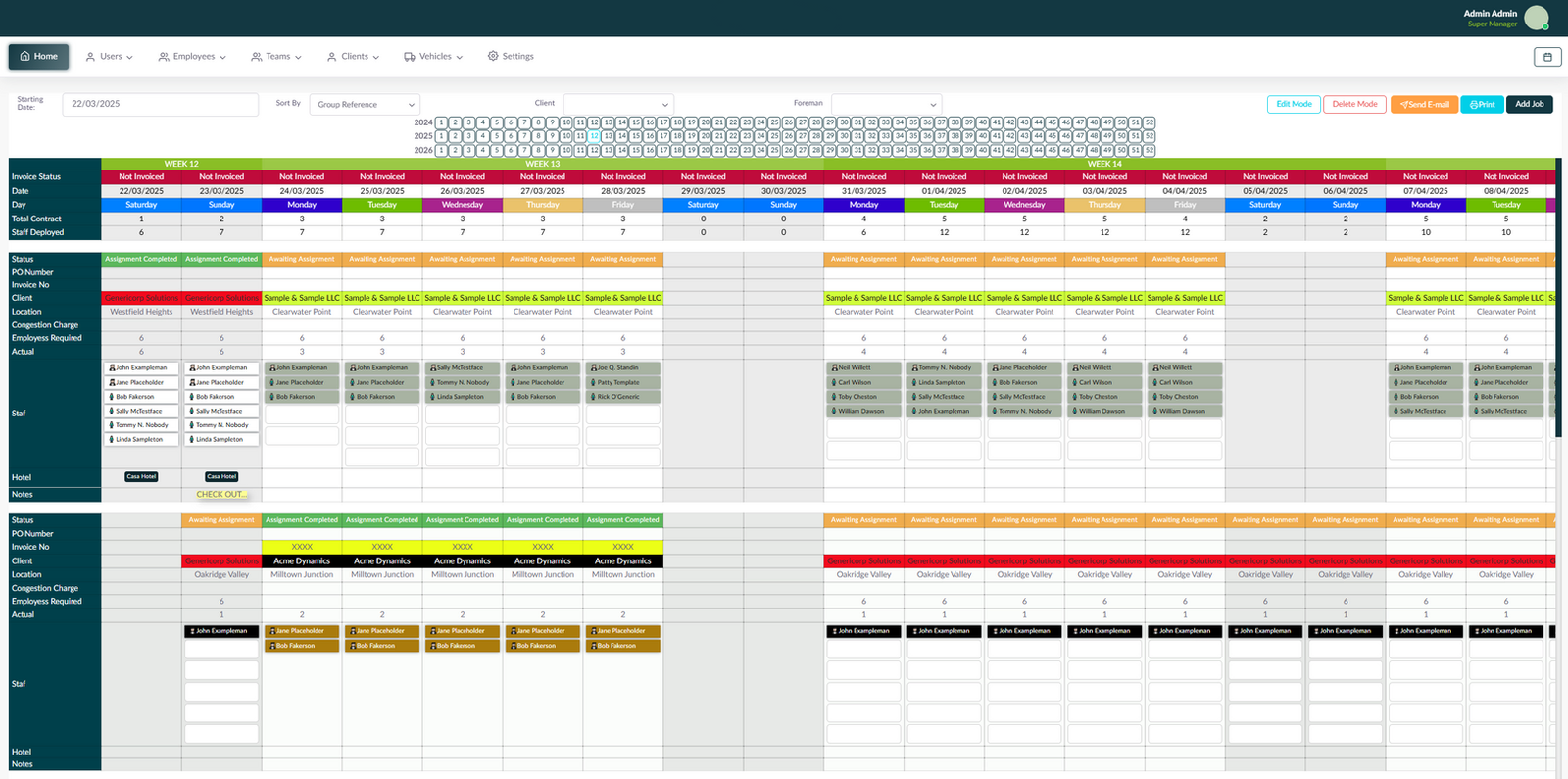
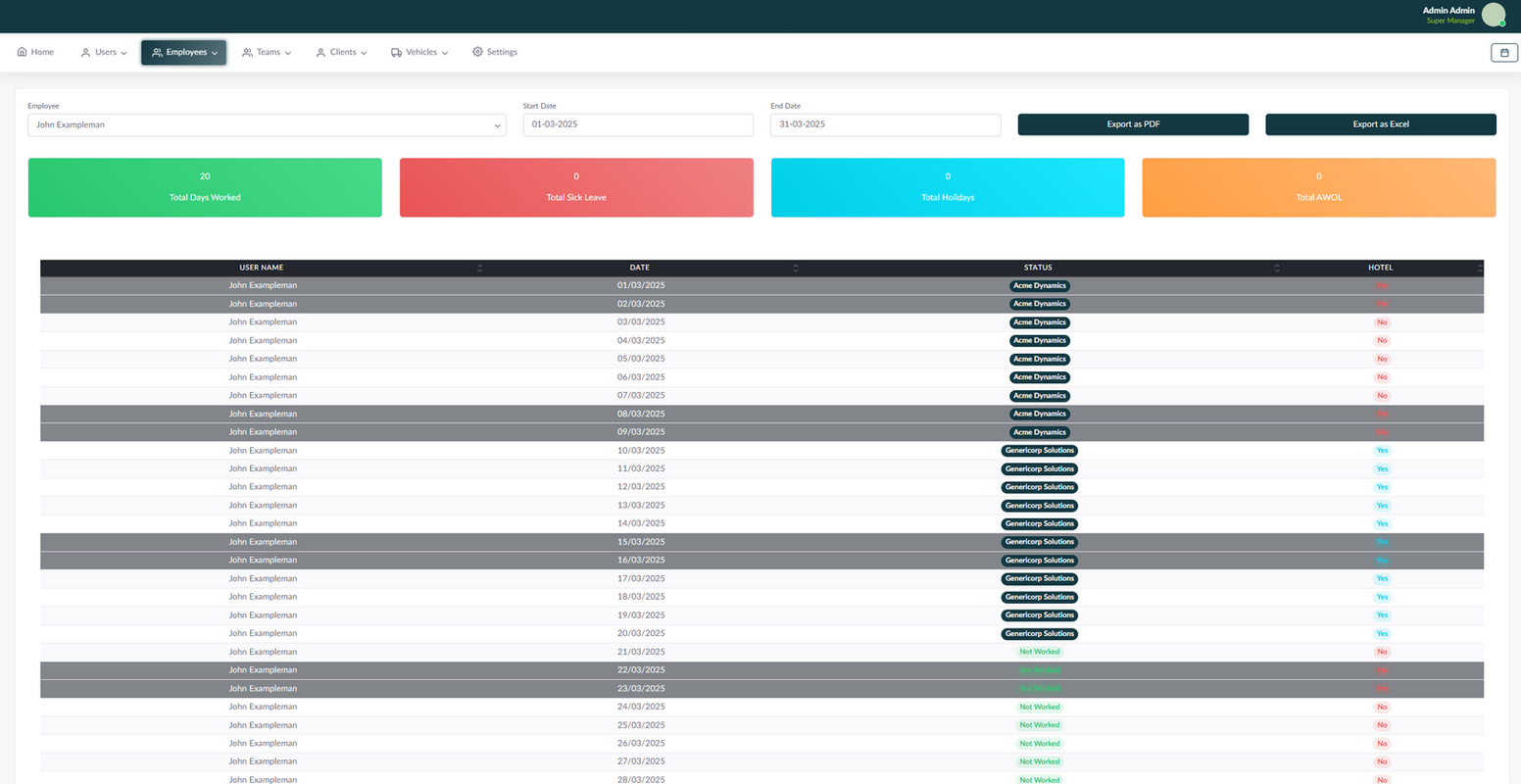
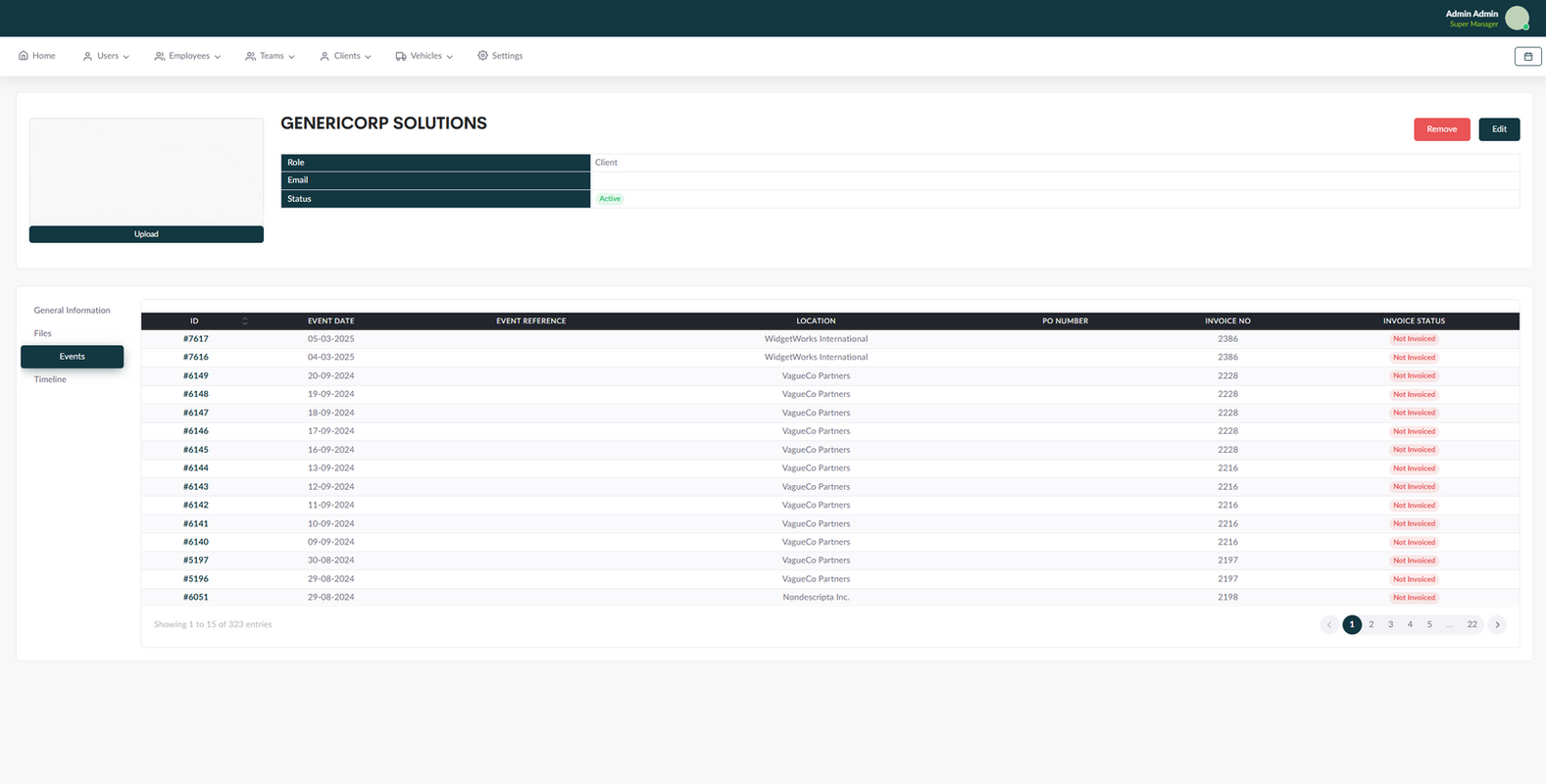
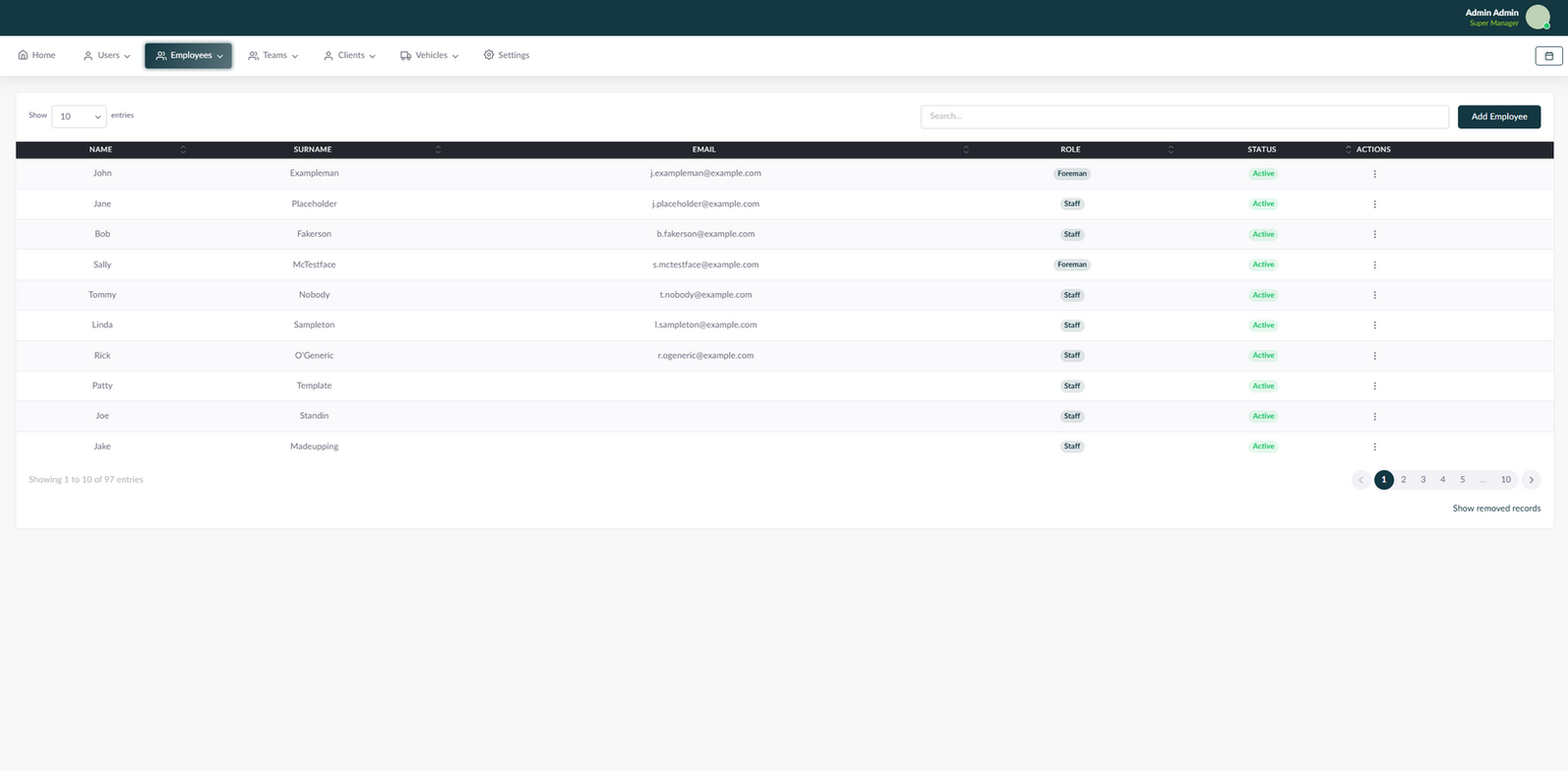
Crews are planned week by week against each client’s events, together with the vehicles, hotels and headcount every job needs. Days worked, leave and holiday roll up per employee, and each event carries its own purchase order and invoice status so no work gets built without being billed.
Read the full write-up — crew and event management for event build companies →
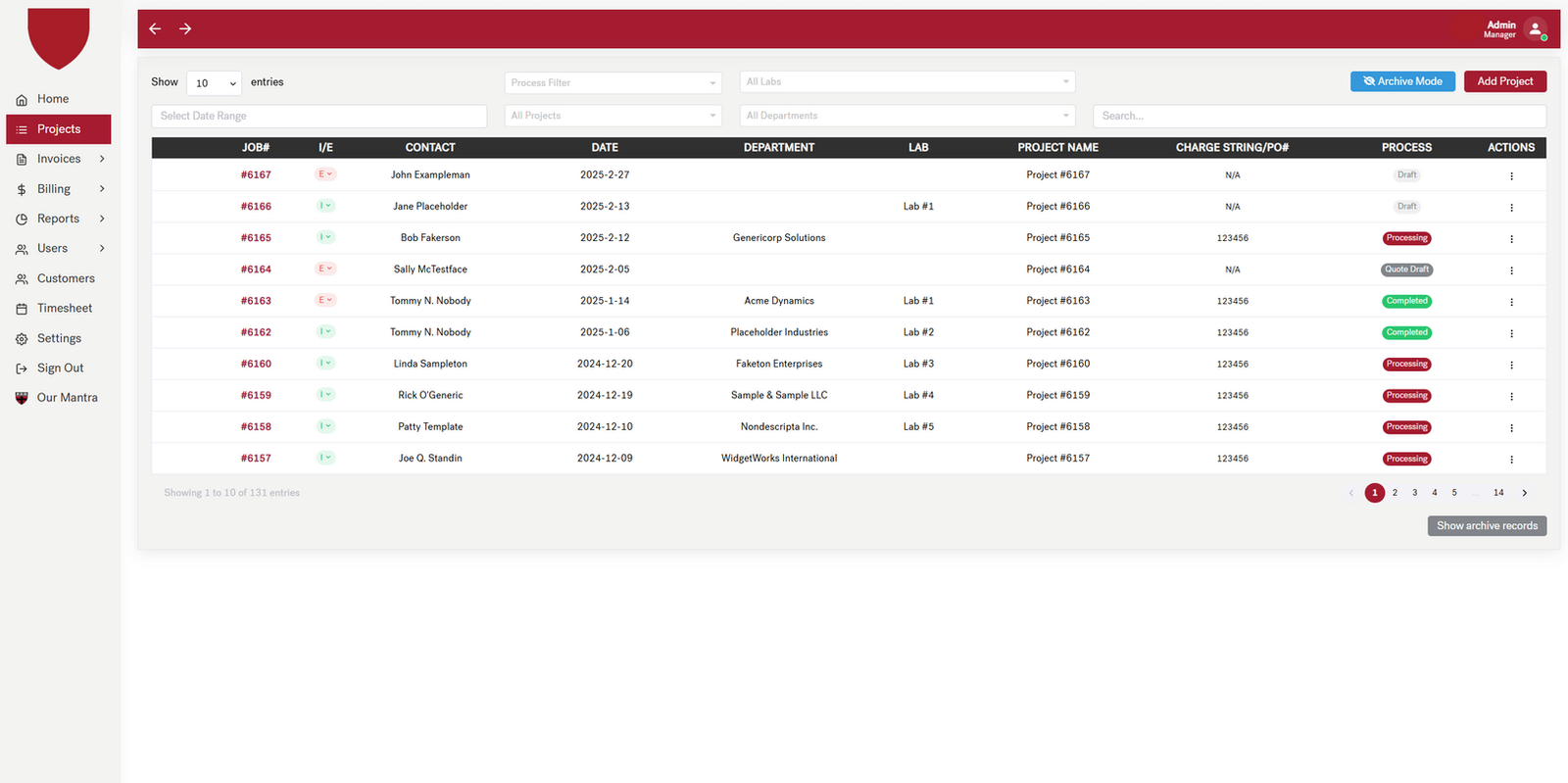
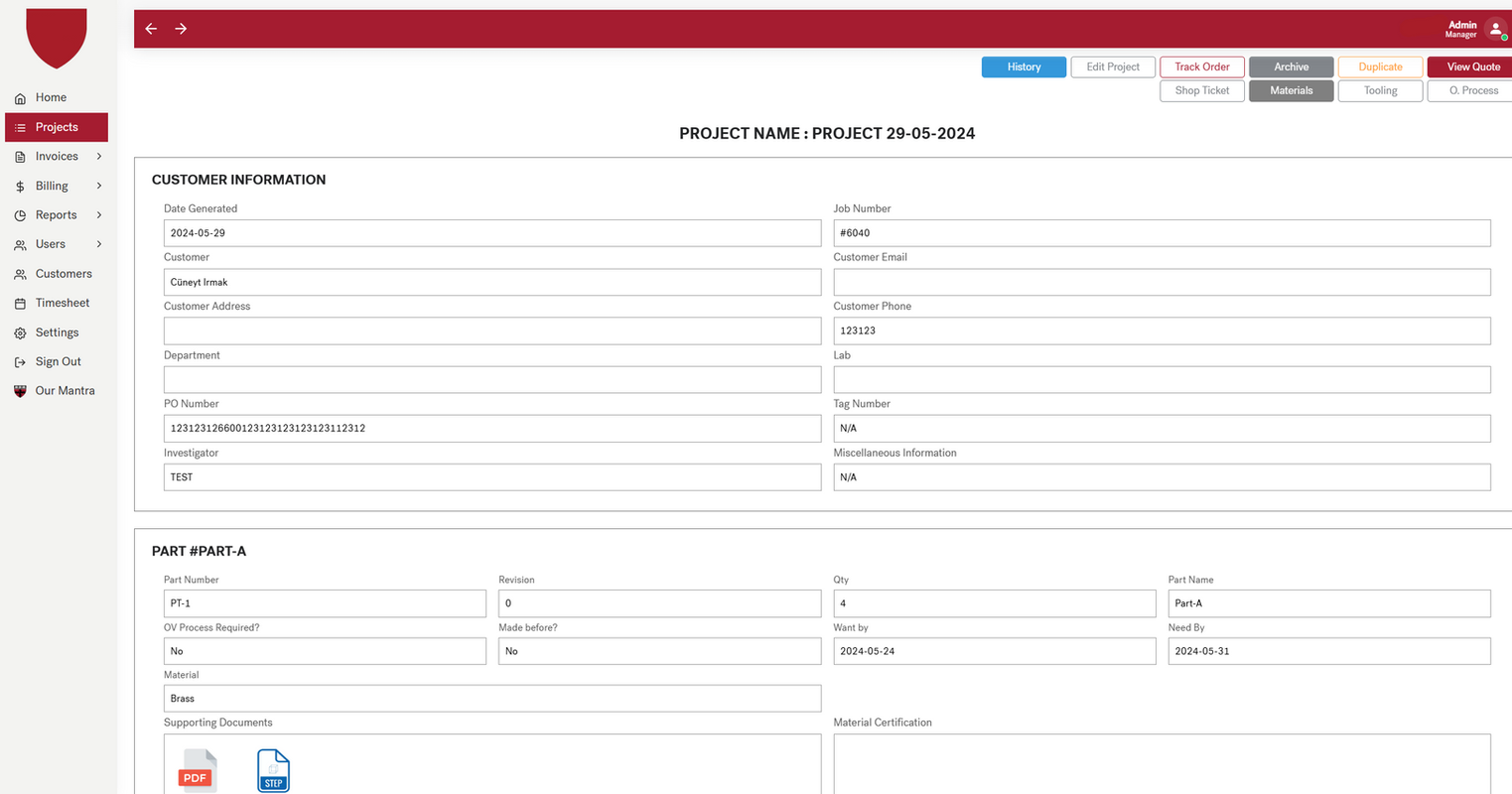
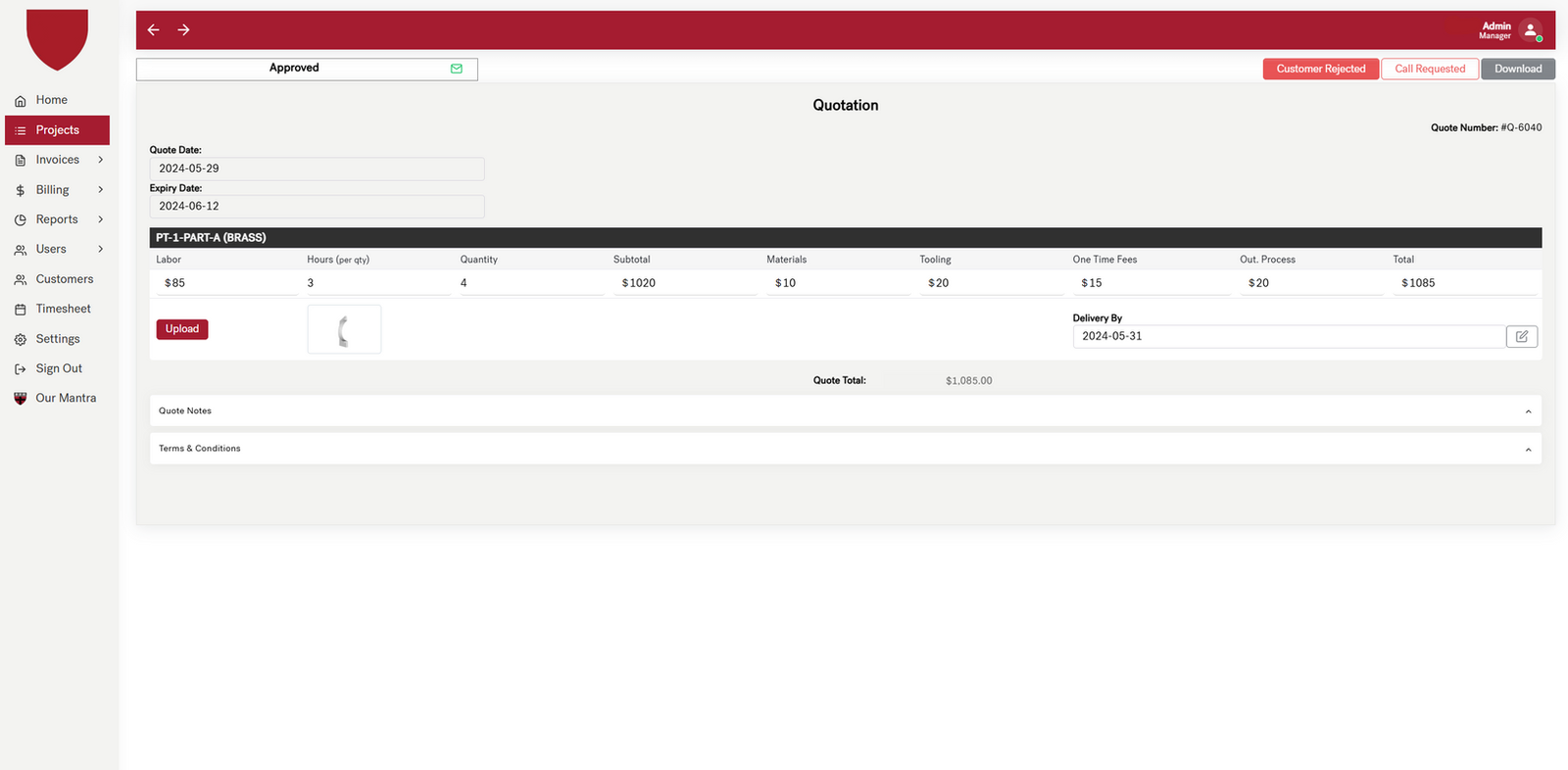
Research labs submit machining jobs against a charge string, attaching drawings, materials and the date the part is needed. The shop quotes labour hours, materials, tooling and outside processes, the investigator approves or rejects online, and each job is tracked from draft through processing to completion.
Read the full write-up — job tracking and quoting for research machine shops →
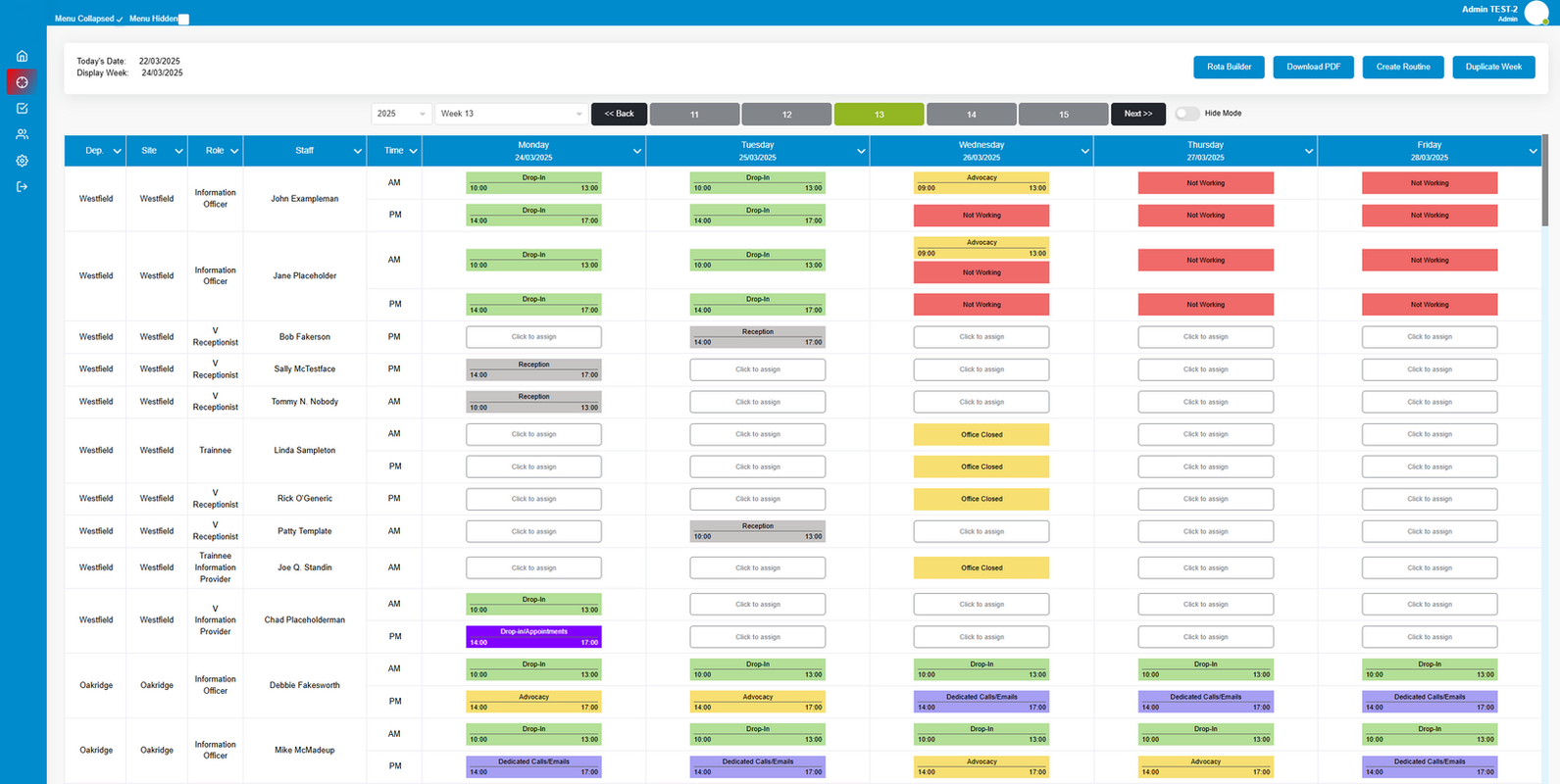
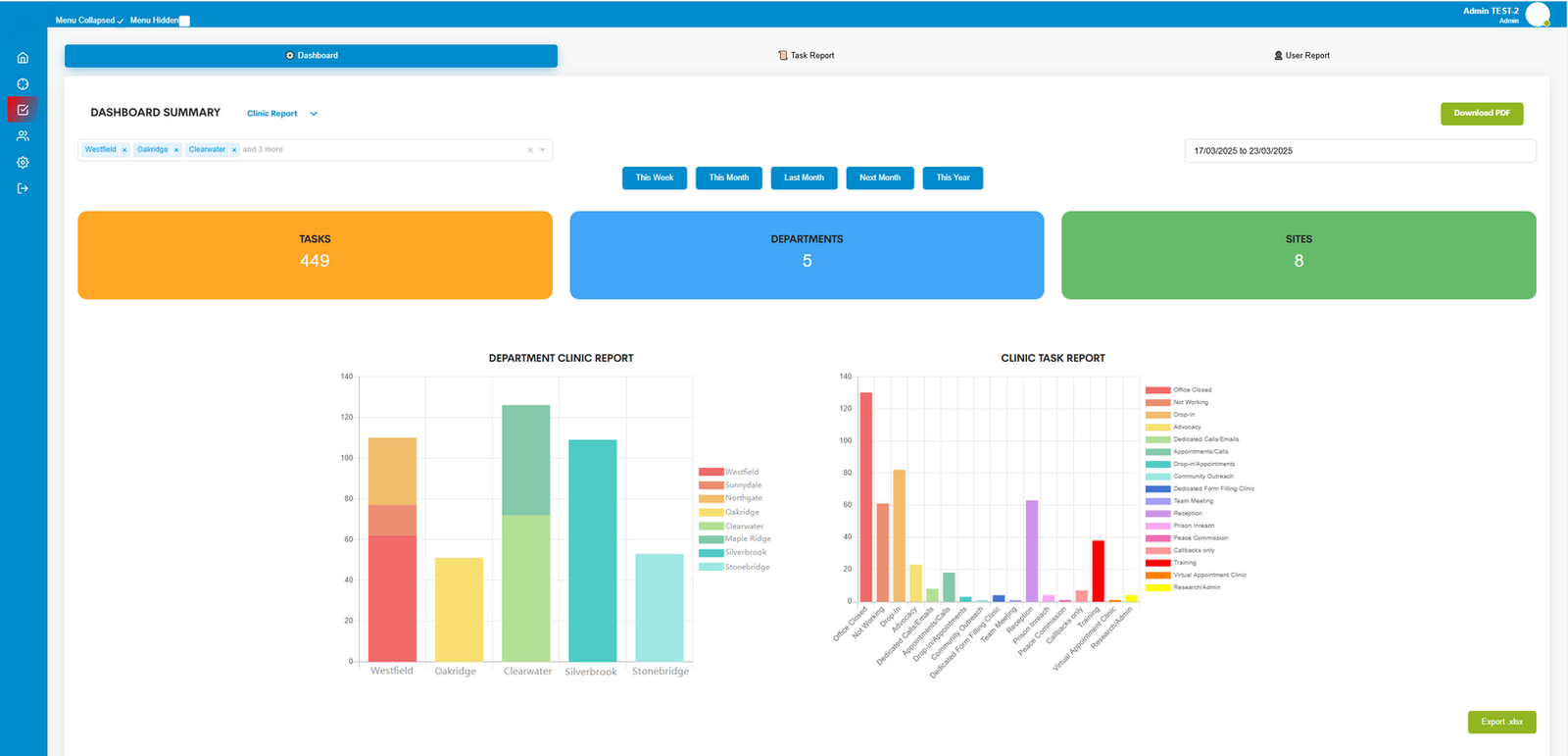
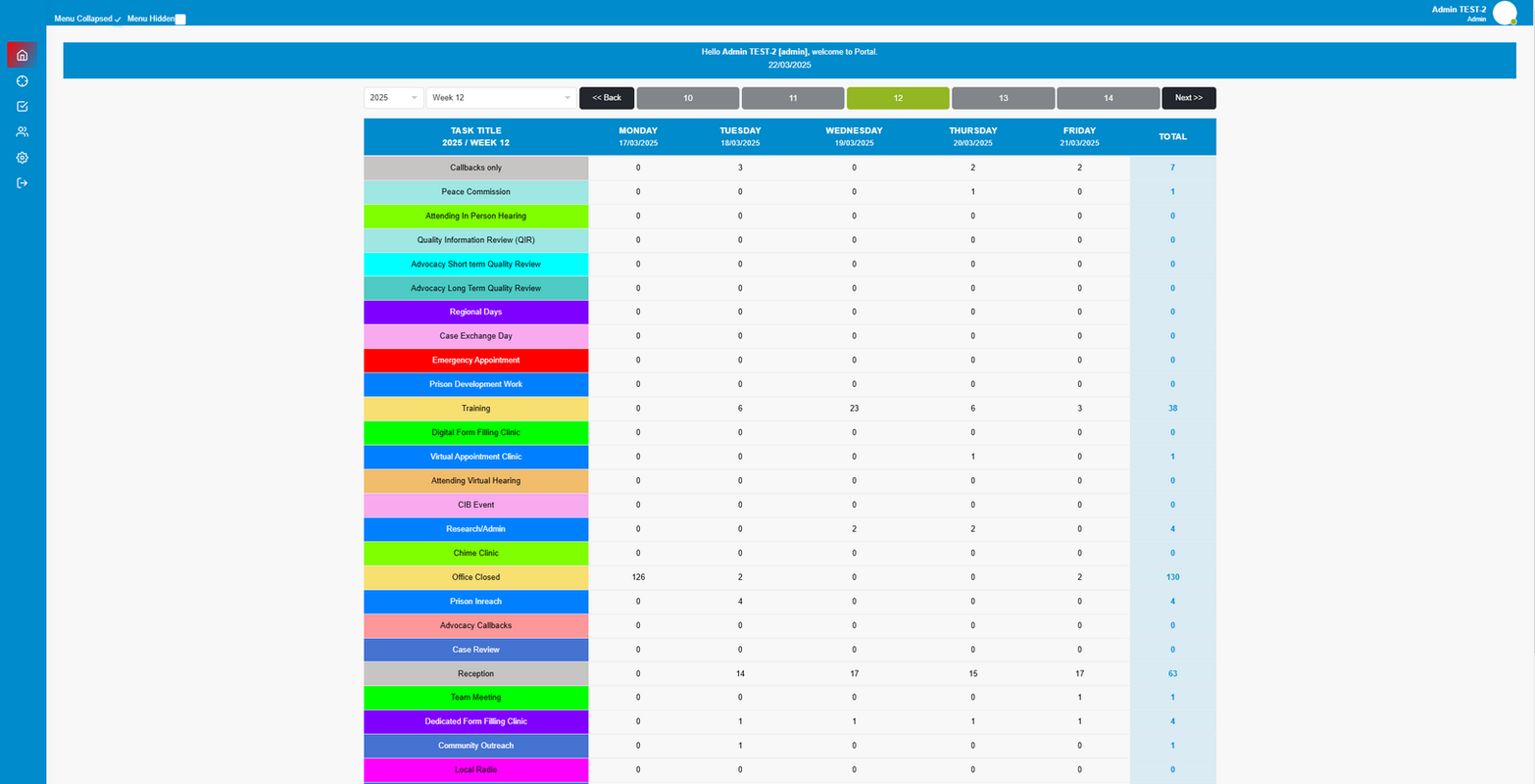
Information officers are rostered across sites and departments in morning and afternoon slots, with every slot typed by the kind of clinic it is — drop-in, advocacy, form filling or outreach. Weeks can be duplicated and published as PDF, and the dashboard counts activity by task type, department and site.
Read the full write-up — staff rota and clinic planning for multi-site services →